
Comparisons
WordPress vs Headless CMS: Why Traditional WordPress Still Wins for Irish SMEs in 2026
The headless CMS revolution has arrived, promising faster websites, better developer experiences, and future-proof architecture. Yet for Irish SMEs in 2026, the reality behind this promise tells a different story. While headless CMS solutions command impressive growth rates of 22.6% annually, they serve just 13,000 websites globally compared to WordPress's 835 million sites [1].
For Irish small and medium enterprises facing a skills crisis where 90% struggle to find qualified employees [2], the complexity divide between headless and traditional WordPress has never been more pronounced. Implementation costs ranging from €50,000 to €150,000 for headless solutions versus €60 annual hosting for managed WordPress represent more than just budget differences - they reflect fundamentally different approaches to business sustainability and growth.
The Headless CMS Hype: Understanding What You're Actually Getting
Headless CMS architecture separates content management from presentation, allowing developers to use modern frontend frameworks like React or Vue.js whilst managing content through API endpoints. This separation promises faster loading times, better scalability, and superior developer experiences.
The market validates this promise with projections showing headless CMS growing from €816.9 million in 2024 to €7.113 billion by 2035 [1]. However, market size doesn't equal suitability for every business context.
The Reality Check for Irish SMEs
Headless implementations require dedicated frontend developers, backend specialists, and DevOps engineers to maintain the separated architecture. For Irish businesses, this creates immediate challenges:
- Development timelines extending 6-10 months excluding migration tasks
- Ongoing maintenance requiring multiple technical specialists
- Content management workflows that confuse non-technical teams
- Integration complexity for common business tools
Traditional WordPress, particularly with modern managed hosting, delivers many headless benefits without architectural complexity. Web60's AI-powered infrastructure optimisation, for instance, achieves headless-level performance through intelligent caching and server configuration rather than requiring complete architectural overhauls.
Performance Promises vs Reality
Headless proponents cite speed advantages, yet the performance reality of headless WordPress versus traditional setups for Irish businesses shows that real-world performance depends more on hosting infrastructure than architecture. Poorly optimised headless sites can load slower than well-configured WordPress installations running on optimised hosting stacks with Redis caching and CDN integration.
Real-World Cost Analysis: Hidden Expenses That Kill SME Budgets
The financial reality of headless CMS adoption extends far beyond platform licensing fees. Irish SMEs considering headless solutions face a complex web of interconnected costs that traditional WordPress hosting avoids entirely.
| Cost Component | Headless CMS | Traditional WordPress | Web60 Managed || |---|---|---|---| | Platform licensing | €489-€10,000/month | €0 | €0 | | Initial development | €50,000-€150,000 | €60-€5,000 | €60 | | Ongoing maintenance | €3,000-€8,000/month | €100-€500/month | Included | | Developer resources | 3-5 specialists | 1-2 generalists | None required |
The Platform Cost Escalation
Contentful, a leading headless CMS provider, starts at €489 monthly for team plans but can reach €2,000-€10,000 monthly for enterprise features [3]. These costs scale with content volume, API calls, and team size - metrics that grow as businesses succeed.
Compare this to WordPress's open-source foundation where platform costs remain zero regardless of business growth, and why the hosting decision matters as much as the CMS choice becomes clear. Web60's €60 annual all-inclusive hosting eliminates the anxiety of cost escalation entirely.
Development Resource Requirements
Headless implementations demand expertise across multiple disciplines:
- Frontend developers familiar with React, Vue, or similar frameworks
- Backend developers managing APIs and content delivery
- DevOps engineers maintaining deployment pipelines
- Content strategists adapting to headless workflows
For Irish SMEs where 56% lack talent development strategies [2], assembling this expertise internally proves virtually impossible. External development agencies charge €80-€150 hourly for headless specialists, making ongoing maintenance prohibitively expensive.
The True ROI Calculation
A typical Irish SME implementing headless CMS faces:
- €75,000 initial development costs
- €6,000 monthly platform and maintenance costs
- €72,000 annual ongoing expenses
- Total first-year investment: €147,000
The same business using Web60's managed WordPress achieves comparable performance for €60 annually with professional support included.
Developer Resource Requirements: The Irish Talent Gap Problem
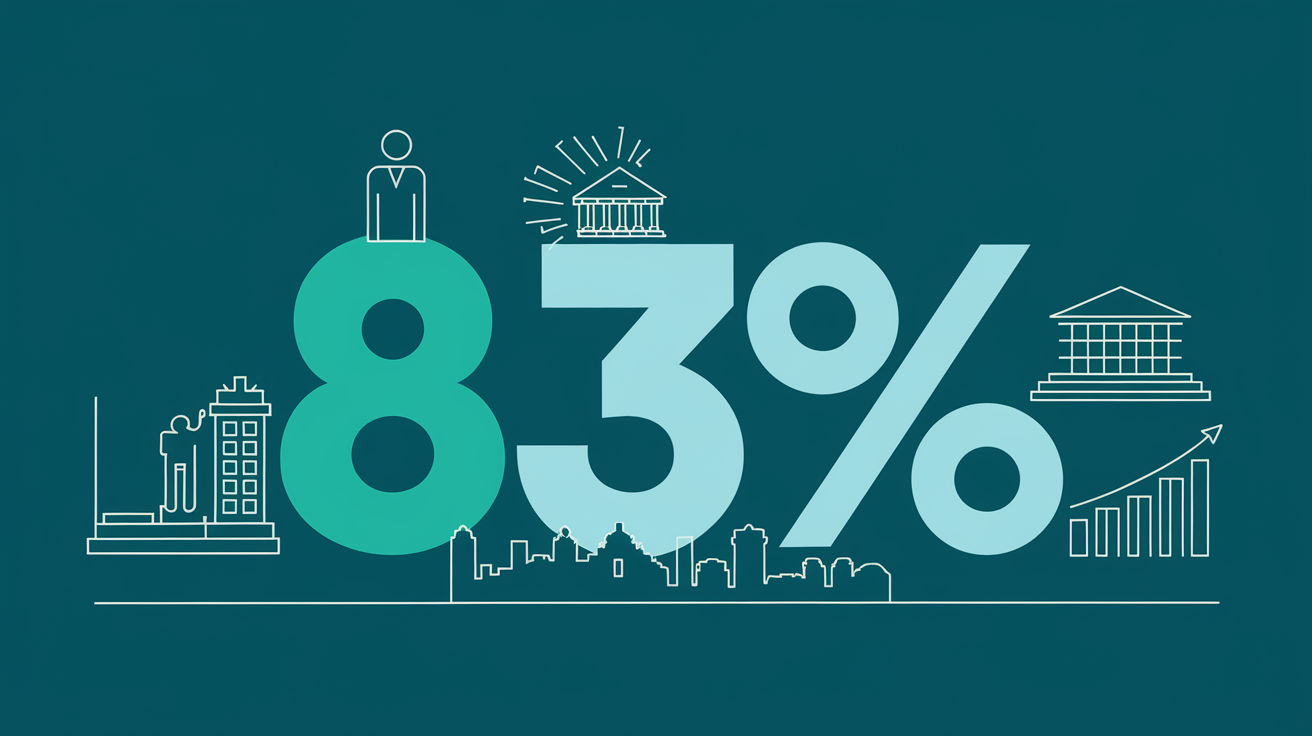
Ireland's technology sector faces unprecedented talent shortages, with 83% of employers reporting difficulties finding qualified candidates [2]. This crisis particularly impacts headless CMS adoption, which requires specialised skills that traditional WordPress development doesn't demand.
The Skills Shortage Reality
Headless CMS development requires proficiency in:
- Modern JavaScript frameworks (React, Vue, Angular)
- API design and integration
- Static site generators (Gatsby, Next.js)
- JAMstack deployment workflows
- GraphQL or REST API management
These skills command premium salaries in Dublin's competitive market, yet remain scarce outside major urban centres where many SMEs operate.
WordPress Skills: Abundant and Accessible
Traditional WordPress development leverages widely available skills:
- PHP programming (Ireland's third most popular backend language)
- MySQL database management
- Theme and plugin customisation
- Standard web technologies (HTML, CSS, JavaScript)
This skill abundance creates competitive hiring markets and reasonable freelancer rates for WordPress projects.
The Web60 Advantage: Eliminating Technical Dependencies
Web60's AI-powered managed hosting addresses the talent gap by handling technical optimisation automatically. Irish SMEs gain enterprise-level performance without requiring in-house technical expertise or expensive external consultants.
The platform's 60-second site setup via AI Website Builder means businesses describe their requirements and receive fully optimised WordPress sites without coding knowledge. This approach democratises professional web presence for SMEs regardless of technical resources.
Performance Benchmarks: When Traditional WordPress Actually Outperforms
The performance narrative surrounding headless CMS often assumes optimal implementation and maintenance, yet real-world results tell a more nuanced story. Properly configured WordPress hosting frequently outperforms poorly optimised headless implementations.
Core Web Vitals: The Real Performance Metric
Google's Core Web Vitals measure actual user experience through:
- Largest Contentful Paint (loading performance)
- First Input Delay (interactivity)
- Cumulative Layout Shift (visual stability)
Well-optimised WordPress sites consistently achieve excellent Core Web Vitals scores through:
- Server-level caching with Redis and FastCGI
- Optimised database queries
- Image compression and lazy loading
- CDN integration for global content delivery
The Hosting Stack Advantage
Web60's WordOps stack delivers enterprise-grade performance through:
- Nginx web server optimised for WordPress
- PHP-FPM processing for efficient resource utilisation
- Redis object caching reducing database queries
- FastCGI page caching serving static versions to visitors
This infrastructure approach achieves headless-level speed without requiring complete architectural redesigns or specialised development resources.
Real-World Performance Comparisons
Recent speed comparisons between managed WordPress providers demonstrate that hosting infrastructure impacts performance more significantly than CMS architecture. Optimised WordPress hosting consistently outperforms basic headless implementations whilst maintaining simplicity for content teams.
Caching Strategy Benefits
Traditional WordPress with proper caching delivers:
- Sub-second page load times for cached content
- Reduced server resource requirements
- Better performance during traffic spikes
- Simplified content delivery workflows
Headless solutions require complex CDN configurations and API caching strategies to achieve similar results.
Maintenance Complexity: Why SMEs Need Simplicity Over Sophistication
The operational burden of maintaining headless CMS implementations creates ongoing challenges that traditional WordPress hosting eliminates. For Irish SMEs managing multiple business priorities, maintenance simplicity directly impacts bottom-line efficiency.
Headless Maintenance Responsibilities
Headless architectures require ongoing attention to:
- Frontend framework updates and compatibility
- API versioning and endpoint management
- Build pipeline maintenance and troubleshooting
- Security patches across multiple components
- Performance monitoring and optimisation
- Content delivery network configuration
The Update Cascade Problem
When React releases a major update, headless sites face potential compatibility issues across:
- Custom component libraries
- Third-party integrations
- Build tool configurations
- Deployment workflows
This creates a cascade of testing and updates requiring developer intervention.
WordPress Maintenance: Streamlined and Automated
Managed WordPress hosting handles maintenance through:
- Automatic security updates
- Core WordPress updates with rollback capability
- Plugin compatibility monitoring
- Performance optimisation without code changes
- Backup and restore functionality
Web60's managed approach includes pre-update snapshots, ensuring businesses can revert changes if issues arise. The staging environment functionality allows testing updates before applying them to live sites.
Business Continuity Considerations
Headless CMS downtime requires technical diagnosis across multiple systems. WordPress issues typically involve single-point troubleshooting with clear resolution paths. For SMEs without dedicated technical staff, this distinction proves critical during business-critical situations.
The Simplicity Dividend
Businesses choosing managed WordPress hosting redirect technical complexity management to specialists, allowing focus on core business activities. This operational efficiency compounds over time as teams avoid learning complex deployment workflows or troubleshooting API integration issues.
Content Management Reality: How Non-Technical Teams Actually Work
Content creation and management workflows represent the daily reality of website administration. Whilst developers focus on technical architecture, marketing teams, content creators, and business owners need intuitive interfaces that support productivity rather than hindering it.
The Content Team Experience Gap
Headless CMS platforms optimise for developer experience, often at content team expense. Research indicates 49% of WordPress users require over an hour to publish content, with 14% experiencing full-day delays [4]. Headless implementations typically worsen these metrics through:
- Markdown-based content editing requiring technical knowledge
- Preview limitations during content creation
- Complex asset management workflows
- Separation between content creation and visual presentation
WordPress Content Management Strengths
Traditional WordPress provides:
- WYSIWYG editing matching final presentation
- Drag-and-drop media management
- Live preview during content creation
- Plugin ecosystem for specialised content types
- Familiar interface reducing training requirements
Real-World Content Workflows
Irish SMEs typically manage content through:
- Marketing team members creating blog posts and product pages
- Business owners updating company information and announcements
- Customer service teams managing FAQ and support content
- External freelancers contributing specialist content
Headless systems require technical training for each contributor, whilst WordPress's intuitive interface allows immediate productivity.
The Collaboration Challenge
Headless CMS collaboration often requires:
- Developer intervention for content structure changes
- Technical knowledge for media optimisation
- Understanding of deployment workflows for content publishing
- Familiarity with version control systems
WordPress collaboration happens entirely within familiar web interfaces, enabling natural teamwork without technical barriers.
Web60's Content Team Optimisation
Web60's managed WordPress includes:
- Optimised admin interfaces for faster content creation
- Automatic image compression reducing technical overhead
- Staging environments for content testing
- Built-in analytics eliminating external tool requirements
These features maintain WordPress's content management advantages whilst adding enterprise-level optimisation and support.
SEO and Marketing Integration: Where Traditional WordPress Excels
Search engine optimisation and digital marketing integration represent critical business functions where traditional WordPress maintains significant advantages over headless implementations. The plugin ecosystem and established SEO tooling provide Irish SMEs with competitive advantages that headless architectures struggle to match.
SEO Plugin Ecosystem Advantage
WordPress SEO plugins like Yoast, RankMath, and SEOPress provide:
- Real-time content optimisation feedback
- Automated technical SEO implementation
- Schema markup generation
- XML sitemap management
- Meta tag optimisation with preview functionality
- Integration with Google Search Console and analytics
Headless implementations require custom development for equivalent functionality, adding complexity and ongoing maintenance requirements.
Marketing Tool Integration
Irish SMEs rely on integrated marketing workflows connecting:
- Email marketing platforms (Mailchimp, ConvertKit)
- CRM systems (HubSpot, Salesforce)
- Social media scheduling tools
- Analytics platforms beyond Google Analytics
- E-commerce functionality for product sales
WordPress's plugin architecture enables these integrations through simple installations, whilst headless solutions require API development and custom integration work.
Content Marketing Efficiency
Traditional WordPress supports content marketing through:
- Editorial calendar plugins for content planning
- Social sharing optimisation
- Related post functionality improving engagement
- Comment systems encouraging community building
- Newsletter subscription integration
Local SEO Benefits for Irish Businesses
Irish SMEs targeting local markets benefit from WordPress plugins specifically designed for:
- Google My Business integration
- Local schema markup
- Multi-location SEO management
- Irish-specific directory submissions
- Local review management
Web60's Irish hosting infrastructure provides additional local SEO benefits through:
- Irish IP addresses signalling geographic relevance
- Faster loading times for Irish visitors
- Compliance with Irish data protection requirements
The Analytics Integration Advantage
Web60 includes privacy-first analytics eliminating cookie consent requirements for basic analytics tracking. This built-in functionality provides Irish businesses with GDPR-compliant visitor insights without complex headless CMS analytics integration projects.
Performance Marketing Compatibility
WordPress's mature ecosystem supports performance marketing through:
- Landing page builders optimised for conversions
- A/B testing plugins for optimisation
- E-commerce tracking for sales attribution
- Form builder integrations for lead capture
Headless implementations require custom development for equivalent marketing functionality, increasing costs and complexity for SMEs focused on business growth rather than technical architecture.
Conclusion
The headless CMS revolution offers genuine technical advantages for large enterprises with dedicated development teams and complex content distribution requirements. However, for Irish SMEs in 2026, traditional WordPress with modern managed hosting delivers superior business value through lower costs, simpler maintenance, and immediate productivity.
Whilst headless solutions serve just 13,000 websites globally, WordPress powers over 835 million sites precisely because it balances capability with accessibility. The 90% of Irish SMEs struggling to find qualified technical staff cannot afford the complexity overhead that headless architectures demand.
Web60's AI-powered managed WordPress hosting bridges the performance gap between traditional and headless solutions whilst maintaining WordPress's core advantages: cost-effectiveness, ease of use, and comprehensive plugin ecosystem. Explore Web60's managed WordPress platform for Irish SMEs to see how at €60 annually with Irish-based support, Web60 delivers enterprise-level performance without enterprise-level complexity. Start your optimised WordPress journey today and discover why traditional WordPress remains the smart choice for growing Irish businesses.
Frequently Asked Questions
What is the main difference between WordPress and headless CMS for small businesses?
WordPress combines content management and website presentation in one system, making it simple for non-technical teams to create and edit content. Headless CMS separates these functions, requiring developers to build custom frontends. For small businesses, WordPress offers immediate usability whilst headless CMS requires significant technical expertise and ongoing development resources.
How much does it really cost to implement a headless CMS compared to WordPress?
Headless CMS implementations typically cost €50,000-€150,000 initially, plus €3,000-€8,000 monthly for platform licensing and maintenance. Traditional WordPress with managed hosting like Web60 costs €60 annually with all features included. The total first-year cost difference can exceed €140,000 for comparable functionality.
Can WordPress really match headless CMS performance in 2026?
Yes, properly optimised WordPress hosting often outperforms poorly configured headless implementations. Modern managed WordPress hosting with Redis caching, CDN integration, and optimised server stacks achieves sub-second loading times and excellent Core Web Vitals scores without requiring custom development or architectural complexity.
Is headless CMS better for SEO than WordPress?
Traditional WordPress typically provides better SEO capabilities through its extensive plugin ecosystem. WordPress SEO plugins offer real-time optimisation feedback, automated technical SEO, and integrated analytics that would require custom development in headless systems. For Irish SMEs targeting local markets, WordPress's local SEO plugins provide significant advantages.
What skills do Irish businesses need to maintain a headless CMS?
Headless CMS maintenance requires frontend developers (React/Vue expertise), backend API specialists, and DevOps engineers. With 90% of Irish SMEs struggling to find qualified technical staff, assembling this expertise internally proves extremely challenging. WordPress maintenance requires only basic web skills or can be completely managed through hosting providers.
How long does it take to launch a website with headless CMS versus WordPress?
Headless CMS implementations typically require 6-10 months excluding content migration, due to custom frontend development requirements. WordPress sites can launch immediately with themes and plugins, or in under 60 seconds using AI-powered setup tools like Web60's website builder. This time difference significantly impacts business timelines and market entry.
Can content teams work effectively with headless CMS?
Content teams often struggle with headless CMS due to markdown editing requirements, limited preview functionality, and separation between content creation and visual presentation. WordPress's WYSIWYG editor, drag-and-drop media management, and live preview capabilities enable immediate productivity for non-technical team members.
Are there any advantages to choosing WordPress over headless CMS for Irish businesses specifically?
Yes, WordPress offers specific advantages for Irish businesses including abundant local developer talent, lower implementation costs suitable for SME budgets, simplified maintenance during Ireland's skills shortage, and local hosting options like Web60 that provide Irish IP addresses for local SEO benefits whilst maintaining GDPR compliance.
Sources

Graeme Conkie founded SmartHost in 2020 and has spent years building hosting infrastructure for Irish businesses. He created Web60 after seeing the same problem repeatedly — Irish SMEs paying too much for hosting that underdelivers. He writes about WordPress infrastructure, server security, developer workflows, managed hosting strategy, and the real cost of hosting decisions for Irish business owners.
More by Graeme Conkie →Ready to get your business online?
Describe your business. AI builds your website in 60 seconds.
Build My Website Free →More from the blog
Beyond Shared Hosting Sticker Shock: The True Cost Analysis Every Irish Web Designer Needs to See
Discover the hidden costs of cheap Irish hosting. Renewal prices jump 100-501%, costing SMEs €4,000+ annually. See transparent alternatives.
The True Cost Breakdown: Why Irish Developers Pay €2,400 Extra Annually for Shared Hosting vs Managed WordPress
Irish developer tracks €2,400 annual hidden costs in shared hosting vs managed WordPress. Real data shows why managed hosting saves money long-term.