
SEO & PageSpeed
The Broken Link That Cost a Business Six Weeks of Enquiries Before Anyone Noticed
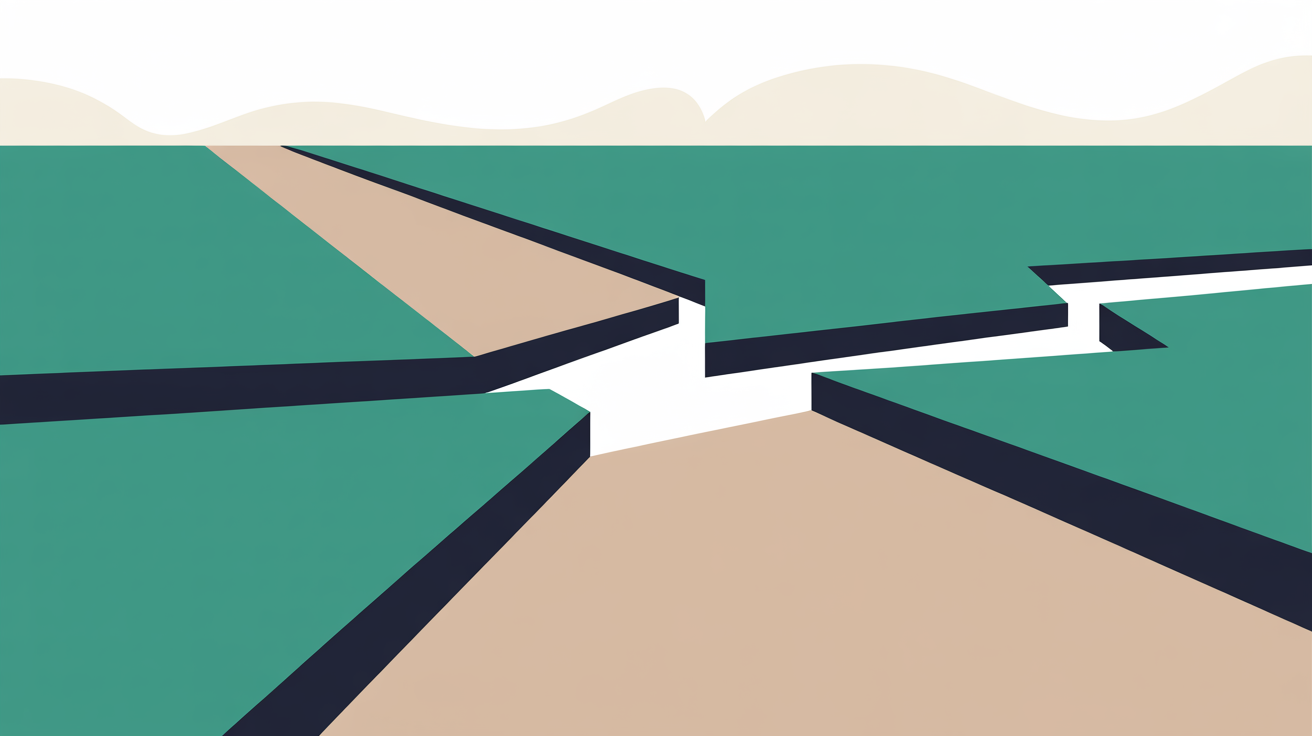
A version of this lands on my desk every few months, and the shape is always the same. A business tidies up its website, renames a page, and gets on with its week. Nobody sets up a redirect, because nobody realises there is anything to redirect. This time it was a physiotherapy clinic in Longford, which renamed one service page during a routine tidy-up of its site menu. The old address stopped existing. Six weeks later, the owner noticed that enquiries for that one service, sports injury assessments, had quietly dried up while everything else on the site carried on exactly as normal.
That is the entire story. No hack, no outage, no angry phone call, just a web address that used to work and then did not. It is also one of the most common ways a business website loses enquiries, and one of the least understood, because nothing about it looks broken. The site still loads. Its homepage still works fine. Somewhere underneath, though, the phone rings slightly less often than it used to, for reasons nobody has connected to a menu change from six weeks ago.
Why a Renamed Page Becomes a Dead End
WordPress builds a page's web address, its permalink, from the title or the custom slug set when the page was created. Edit that slug and WordPress happily serves the new address from that moment on. What it does not do automatically is remember the old one. Anyone who bookmarked the original address, clicked a link from an old email, or found it through a search Google had already indexed, now lands on a 404: the standard "page not found" response a server sends when nothing exists at a given address [1].
For a customer, that is a mild annoyance. One closed tab, one search for a competitor instead. For Google, a 404 on a page it previously indexed is a small signal that the page has stopped being useful, and repeated 404s on pages that used to rank start eroding whatever ranking signal that page had built up over time. The clinic's sports injury page had two years of search history behind it. Every bit of that history pointed at an address that no longer answered.
This Is Not the Same Problem as a Website Migration
Businesses tend to handle broken links reasonably well when they know one is coming. Moving to a new host is a good example, where losing rankings to missing redirects is a well-understood risk people plan around. Ongoing link rot gets far less attention, because there is no single event to check afterwards, no "the day we migrated" to point at.
Sometimes it is a slug changed during a routine content update. A seasonal offer page comes down after Christmas without a redirect. Somewhere else, a discontinued product's page gets deleted rather than pointed somewhere useful. None of these feel risky in the moment. Each one leaves a working link pointing at nothing. Fixing broken links as they happen is one small piece of a much bigger picture, and our complete guide to WordPress performance for business owners covers where it fits alongside speed, caching and Core Web Vitals as part of keeping a site genuinely healthy.
How Common This Actually Is
Link rot is not a small or rare problem. Pew Research Center's 2024 analysis of pages that existed online at any point between 2013 and 2023 found that roughly a quarter of them had become inaccessible by 2023, and the rate climbed sharply with age: closer to four in ten pages from 2013 had vanished entirely [2]. What stood out was not just the old content. Pages published in 2023 itself, less than a year old at the time of the study, were already showing meaningful decay, somewhere around one in twelve already inaccessible. Link rot does not wait for a site to get old.
Most of that research covers the wider web, news sites, government pages, reference material, so a single small business site will not track those exact figures. The underlying mechanism is identical, though. A page moves. Nothing points the old address to the new one. Every signal built up there, search rankings, an old newsletter link, a directory listing from three years ago, quietly stops working.
What a Broken Link Actually Costs
A page that 404s does not announce itself. There is no error banner, no alert, nothing in the day-to-day running of a business that flags it. The customer who clicked an old link simply never becomes an enquiry. They do not ring to complain, because from where they are sitting there was never a business there to ring, just a dead page. That lost enquiry never shows up as a loss anywhere. It just quietly does not happen, and the business carries on assuming the phone rings exactly as often as it always did.
That is the real cost: not a dramatic outage, but a slow decline that is genuinely difficult to notice without checking. A business watching its overall enquiry numbers month to month can easily miss that one specific service line has gone quiet, especially when other pages are performing normally and masking the drop in the average.
Where to Actually Look
Google Search Console's Page Indexing report lists every URL Google has tried to crawl and failed to find, labelled "Not Found (404)". It is free, already connected to most WordPress sites that have verified ownership with Google, and the fastest way to see which of a site's previously working pages have quietly stopped existing [1]. Google Search Console for business owners covers getting this set up if it is not already running.
The report will include some 404s that genuinely do not matter, a typo'd link from somewhere obscure, a page that was never meant to exist in the first place. Google's own guidance is sensible here: focus on fixing the 404s that a business links to internally, or that appear in its own sitemap, rather than chasing every stray result the wider internet throws up. Those are the ones actively costing enquiries.

Catching It Before It Costs You
Check. Open the Page Indexing report in Search Console and filter for Not Found (404). Do this on a schedule rather than only when something feels wrong. I run this exact check during our operations review every Monday morning, and monthly is more than enough for most small business sites.
Verify. Confirm the page is genuinely gone rather than a false alarm. Some 404s point at addresses that were never real pages, or content that was correctly retired on purpose.
Redirect. Set up a 301 permanent redirect from the old address to the closest living equivalent. Google's own documentation recommends mapping each old page to its specific replacement individually, rather than sending everything to the homepage, which preserves far less of the value the original page had built [3].
Confirm. Use Search Console's Validate Fix option to tell Google the issue is resolved, then check back that the redirect is actually returning the new page rather than another dead end further down the chain.
A Genuine Limitation Worth Naming
A redirect fixes what a visitor sees immediately, but it does not instantly fix what Google shows in search results. Google's own guidance recommends keeping a redirect in place for at least a year, and re-crawling and re-ranking the new address can take weeks rather than hours [3]. Set the redirect up correctly and the fix is real, it just is not instant. Anyone expecting rankings to snap back the same day will be disappointed for entirely ordinary reasons, not because anything was done wrong.
Where I Have Seen This Go Wrong Myself
I once helped tidy up a client's site structure and moved a handful of pages without checking what still pointed at the old addresses. Nobody noticed for two months, until a returning customer mentioned a bookmarked page that no longer worked. It was a small thing to fix, and not a small thing to have missed. I check for this on every structural change now, without exception.
Doing This Without Waiting on Anyone Else
None of this requires a developer or an agency invoice. A slug changed by mistake, a redirect that needs adding, a page that needs restoring: these are things a business owner can fix themselves in minutes on a WordPress site with proper dashboard access, rather than emailing someone and waiting for a reply that might take days.
Web60 gives full WordPress access from day one, along with a one-click staging environment for testing a permalink or menu change safely before it goes anywhere near the live site, and automatic pre-update snapshots so a rollback is a genuine option if something does go wrong. For anyone auditing how well their own site's foundation holds up to this kind of everyday change, Web60's managed WordPress infrastructure is built around exactly that sort of resilience, not just the big, dramatic failures.
Conclusion
A broken link is rarely the result of anything going badly wrong. It is usually the result of something small being tidied up without anyone checking what pointed at it first. That makes it an easy problem to prevent and an easy one to miss, right up until a service line goes quiet for reasons nobody has connected to a menu change from six weeks ago. Checking a Page Indexing report once a month costs a few minutes. Finding out the hard way costs a great deal more than that.
Sources
Ian oversees Web60's hosting infrastructure and operations. Responsible for the uptime, security, and performance of every site on the platform, he writes about the operational reality of keeping Irish business websites fast, secure, and online around the clock.
More by Ian O'Reilly →Ready to get your business online?
Describe your business. AI builds your website in 60 seconds.
Build My Website Free →More from the blog
Google AI Overviews Opt-Out: Switching It Off Rarely Brings Your Customers Back
Google now lets any website opt out of AI Overviews and AI Mode in Search Console. What the switch removes, what it leaves alone, and who should use it.
Fake Author Profiles on Your Website: Google Now Calls Them Deception
Google now calls fake author profiles, AI headshots and invented credentials a sign of a low-quality page. How to audit the bylines on your business website.