
Irish SME
Your Website Speed Is Costing You Customers Right Now
Picture this: A potential customer finds your business online tonight. They click through to your website, excited to learn more about what you offer. Four seconds tick by. Still loading. Five seconds. Six. They're gone. Back to Google, straight to your competitor who loads in under two seconds. This isn't a hypothetical scenario. It's happening to your business right now, probably multiple times today. Every slow page load is a customer walking away, taking their money with them. The question isn't whether website speed matters for your business. The question is how much revenue you're losing while you're not paying attention to it.
The Hidden Cost of Slow Loading Times
Let me put this in terms that matter to your bottom line. Research from Cloudflare shows that a 2-second delay in page rendering leads to around a 4% loss in revenue per visitor. Think about your monthly website traffic. Now imagine losing 4% of potential customers before they even see what you're selling. This is explored further in WordPress performance for Irish SMEs.
The numbers get worse as loading times increase. A website that loads in 1 second typically converts visitors at three times the rate of a site that takes 5 seconds. Amazon's internal research suggests that every 100ms of latency costs them over $1.6 billion annually in lost sales.
Now, I know what you're thinking. "I'm not Amazon." True. But the principle scales down perfectly. If Amazon loses billions on milliseconds, what are you losing on seconds?
Consider a Cork hair salon owner I spoke with recently. She was wondering why her online booking system wasn't getting much use, despite heavy promotion on social media. Her website took nearly 8 seconds to load on mobile. Customers would click through from Facebook, wait a moment, then give up and call a competitor instead. She was literally paying for social media ads to send customers to her competition.
Three months after fixing her site speed, her online bookings increased by roughly 60%. Same marketing budget. Same services. Faster website.
What Irish Customers Expect From Your Website
Irish consumers aren't different from global trends when it comes to website patience. None at all. According to recent data, around 53% of users abandon a page if it takes more than 3 seconds to load. That's why Irish SMEs are prioritising site performance in their hosting decisions. But here's what makes the Irish market particularly unforgiving: local expectation.
The IE Domain Registry found that two-thirds of Irish consumers consider businesses without a proper website to be outdated. But having a website isn't enough anymore. Irish customers expect their local SMEs to provide the same smooth experience they get from Amazon or Netflix.
That creates a problem. You're competing not just with the business down the street, but with the user experience standards set by tech giants spending millions on performance optimisation.
The good news? Irish customers are also incredibly loyal when you get it right. When your website loads quickly and works smoothly, Irish consumers place high value on that reliability. They're more likely to return, more likely to recommend you, and more willing to pay slightly higher prices for better service.
But they won't wait around to discover how good your service is if your website doesn't load. First impressions matter. In the digital world, first impressions happen in under 3 seconds.
Understanding Your Performance Metrics
Website performance monitoring sounds technical, but it's actually straightforward once you know what matters. You don't need to become a developer. You just need to understand a few key numbers.
Core Web Vitals are Google's official measurements of user experience. They track three things:
- Largest Contentful Paint (LCP): How long until your main content appears
- First Input Delay (FID): How quickly your site responds when someone clicks something
- Cumulative Layout Shift (CLS): Whether your page jumps around while loading
Google considers these so important that they directly affect your search rankings. Sites with poor Core Web Vitals get buried in search results — our analysis found 73% of Irish WordPress sites fail these tests.
Then there's Time to First Byte (TTFB). This measures how quickly your server starts sending data when someone visits your page. Think of it as the delay between knocking on a door and someone starting to answer.
Page Load Time is the total time until everything finishes loading. But here's the crucial bit: customers don't wait for everything. They start forming opinions and making decisions based on what loads first.
Currently, only around 42% of websites pass all Core Web Vitals assessments. That means most of your competition is probably struggling with speed too. Get yours right, and you immediately have an advantage.
Real-Time Monitoring That Actually Helps
Most business owners check their website speed the same way they check their car's oil. Once in a while, when they remember, usually after something goes wrong.
That's backwards. Performance monitoring should be continuous and automatic. Problems develop gradually, often invisibly, until suddenly your customers start complaining or your sales drop.
Real-time monitoring tracks your site's performance 24/7. It catches problems before your customers experience them. When your hosting server starts struggling, you know immediately. When a plugin update slows things down, you get alerted before it affects business.
But here's where most monitoring tools fail Irish SMEs: they provide data without context. You get charts and graphs showing server response times, but no clear explanation of what it means for your business or what to do about it.
Effective monitoring translates technical metrics into business impact. Instead of "TTFB increased to 2.3 seconds," you need "Your checkout page is taking too long to respond, potentially costing sales."
Some businesses use free tools like Google PageSpeed Insights, which provides useful snapshots but misses the continuous monitoring aspect. Others invest in enterprise solutions like Site 24x7, but these are typically designed for large companies with dedicated IT teams and budgets to match.
What most Irish SMEs need sits in between: professional-grade monitoring that speaks plain English and focuses on business outcomes rather than server statistics.
Quick Wins to Improve Speed Today
Before diving into complex solutions, let's cover what you can fix immediately. These changes don't require technical expertise.
Image Optimisation Large images kill website speed. A single unoptimized photo can add 3-4 seconds to your load time. WordPress automatically creates multiple sizes of uploaded images, but many plugins ignore this and serve full-resolution versions anyway.
Compress images before uploading. Free tools like TinyPNG reduce file sizes by up to 70% without visible quality loss.
Plugin Audit Every WordPress plugin adds code that must load with your page. That harmless-looking social media plugin might be loading 15 external scripts.
Deactivate plugins you don't actively use. For remaining plugins, check if multiple plugins overlap in functionality. You probably don't need three different SEO plugins.
Caching Configuration Caching stores pre-built versions of your pages so they load instantly for repeat visitors. Most hosting providers offer caching, but it's often not configured optimally.
If you're on traditional shared hosting without WordPress-specific optimisation, this is where you'll see dramatic improvements by switching to managed WordPress hosting.
Database Cleanup WordPress databases accumulate spam comments, post revisions, and plugin remnants over time. A bloated database slows down every page request.
Scheduled database optimisation should happen automatically, but many hosting providers don't include this service.
However, if you're running a complex e-commerce operation processing thousands of transactions daily with custom integrations, enterprise platforms like WP Engine genuinely suit those infrastructure requirements better than standard managed WordPress hosting.
How Web60's Performance Dashboard Works
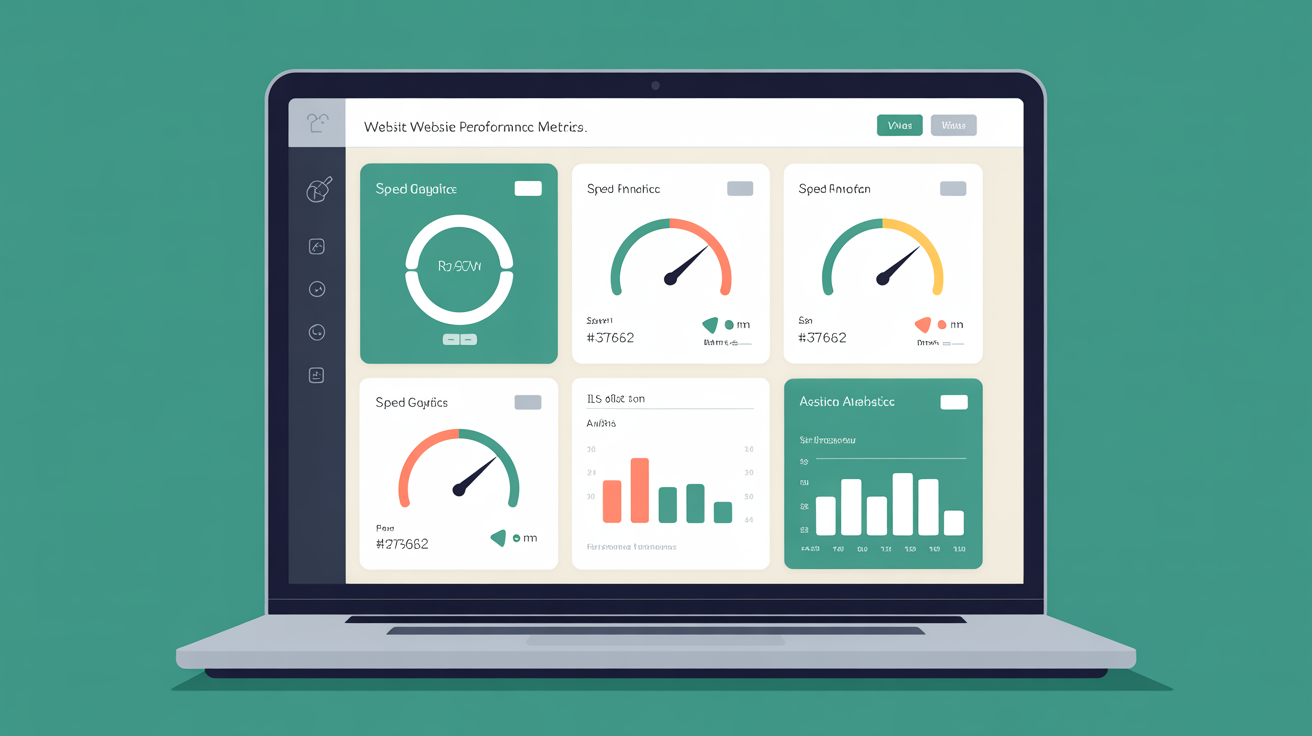
Web60 approaches performance monitoring differently than typical hosting providers. Instead of overwhelming you with server statistics, the dashboard focuses on business metrics.
The real-time monitoring tracks your Core Web Vitals continuously and translates them into plain English. Rather than showing "LCP: 2.8s," you see "Your main content loads slower than Google recommends, potentially affecting search rankings."
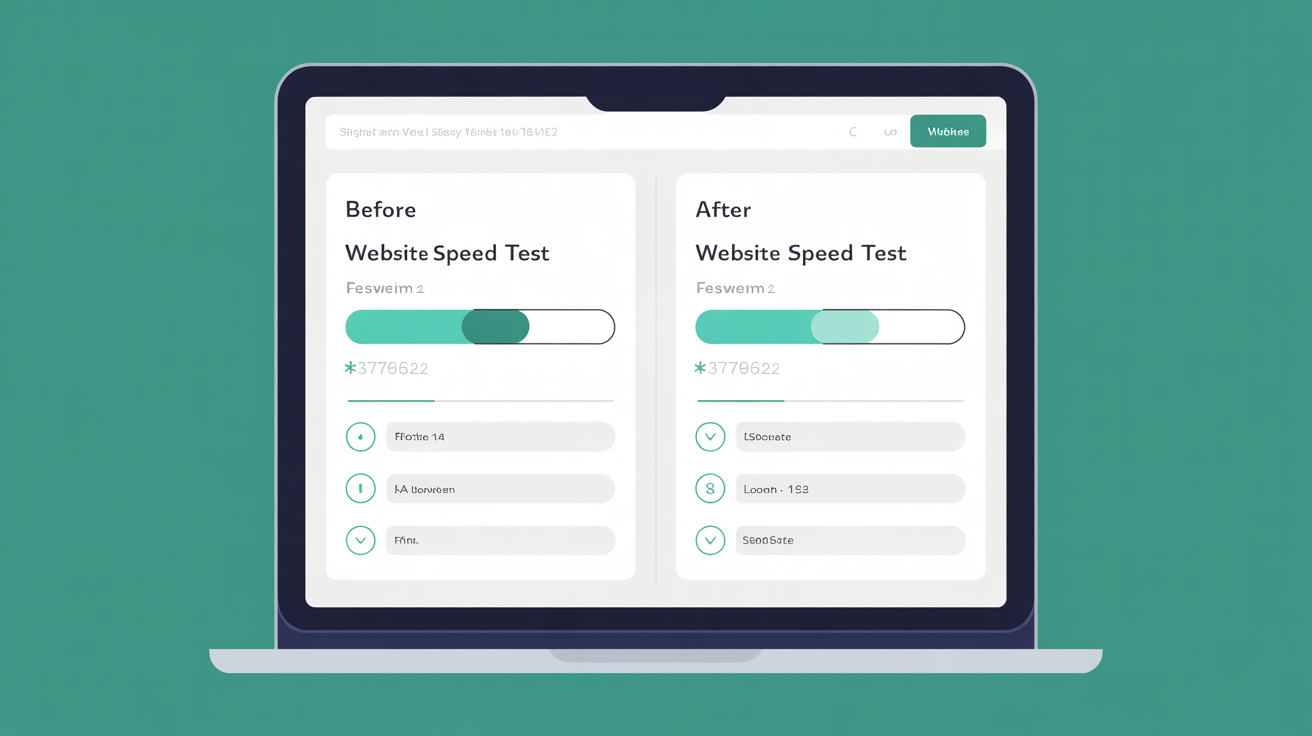
This integration with Google PageSpeed Insights provides credible, industry-standard metrics while offering the continuous monitoring that Google's free tool cannot provide. You get detailed performance reports without needing to manually run tests.
Automated WordPress Optimisation Web60's managed WordPress stack includes Redis object caching, FastCGI page caching, and server-level optimisation that most Irish hosting providers simply don't offer. This happens automatically in the background.
In practice, that means your customer in Donegal isn't staring at a spinning wheel trying to buy a gift card on their phone. Pages load before they decide to give up and try a competitor.
Proactive Problem Detection The monitoring system alerts you before performance issues affect customers. If plugin updates or traffic spikes start degrading speed, you know immediately with clear explanations of the impact and recommended solutions.
Irish Infrastructure Advantage Because Web60 runs on Irish-based infrastructure, your data doesn't travel to Frankfurt or London before reaching Irish customers. Reduced latency means faster loading times for your primary market.
At €60 per year, you get enterprise-level performance monitoring without the enterprise complexity or cost. See everything included in Web60's managed hosting — the dashboard shows you exactly what matters: how fast your site loads for real customers and what to do if problems develop.
When to Worry About Speed Issues
Not every performance fluctuation requires immediate attention. Understanding when to act prevents unnecessary panic while ensuring you catch genuine problems early.
Red Flag Scenarios Your Core Web Vitals scores suddenly drop below Google's "Good" thresholds. This directly impacts search rankings.
Customer complaints about slow loading increase noticeably. If multiple people mention it, investigate immediately.
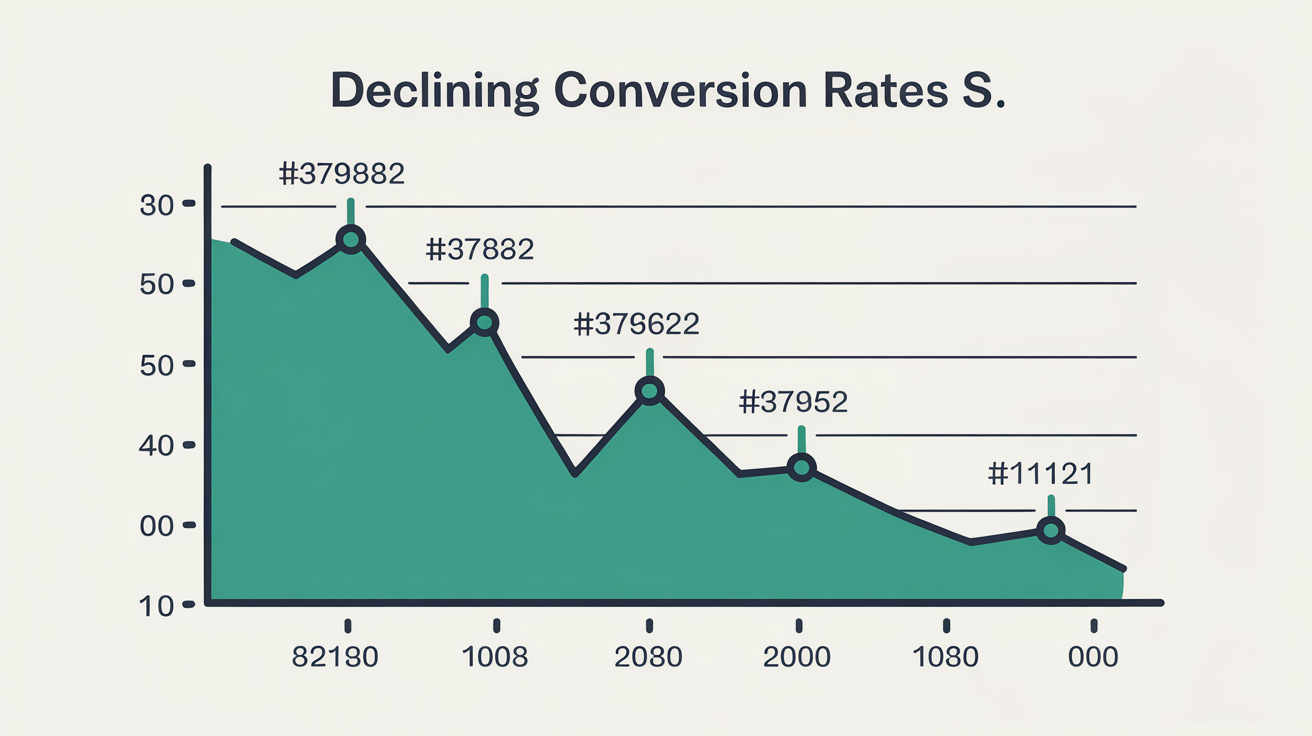
Your conversion rates decline without obvious cause. Slower speeds often manifest as reduced sales before customers complain directly.
Normal Variations Minor speed fluctuations throughout the day are completely normal. Traffic patterns, content updates, and even weather can affect performance slightly.
Temporary spikes during plugin updates or content changes usually resolve automatically within hours.
Seasonal Considerations Irish tourism businesses often see performance challenges during peak seasons when traffic increases dramatically. Planning for these predictable spikes prevents problems.
Similarly, retail sites need monitoring around Black Friday, Christmas shopping, and other high-traffic periods.
The Business Impact Rule The key question isn't whether your site could theoretically be faster. It's whether current performance affects business outcomes.
If customers complete purchases successfully, find information easily, and don't complain about loading times, you're probably fine. Focus optimisation efforts on areas that directly impact customer experience and conversion rates.
However, continuous monitoring remains essential because performance degrades gradually. Problems develop slowly, then suddenly become critical. Regular monitoring catches issues while they're still manageable rather than after they've cost you customers.
Conclusion
Your website speed isn't just a technical metric. It's a direct driver of business success. Every second of loading time either keeps customers engaged or sends them to competitors. The solution isn't complex monitoring systems or expensive enterprise tools. It's consistent, business-focused performance monitoring that tells you what matters and what to do about it.
Web60's performance dashboard provides exactly that: real-time monitoring that speaks your language, automatic WordPress optimisation, and proactive alerts before problems affect your customers. At €60 per year, you get professional-grade performance management designed specifically for Irish businesses. Stop losing customers to slow loading times. Your business deserves better than watching potential sales disappear while pages struggle to load.
Frequently Asked Questions
How fast should my website load?
Google recommends pages load within 2.5 seconds for optimal user experience. However, even achieving under 4 seconds puts you ahead of many competitors. The key is consistency rather than perfection - customers prefer reliable 3-second loading over unpredictable performance that varies between 1-6 seconds.
What's the difference between page speed and site speed?
Page speed measures how long individual pages take to load completely. Site speed is the average loading time across multiple pages on your website. For monitoring purposes, focus on your most important pages first: homepage, main product/service pages, and checkout process if you sell online.
Can I improve website speed without changing hosting providers?
Yes, several improvements work regardless of hosting: optimise images before uploading, remove unused plugins, enable caching if available, and clean up your database regularly. However, hosting infrastructure ultimately sets the ceiling for how fast your site can become.
Why does my website feel slow even though speed tests show good results?
Speed tests often run from powerful servers with fast connections. Real users experience different conditions: mobile devices, slower internet connections, and varied geographical locations. Additionally, speed tests measure technical loading time, but perceived performance includes how quickly useful content appears, not just when loading finishes.
How often should I check my website performance?
Manual checking once monthly is sufficient for basic monitoring, but automated continuous monitoring is far more effective. Performance issues often develop gradually or occur during specific conditions (high traffic, plugin updates, server maintenance) that you might miss with periodic manual checks.
Do website speed issues affect search engine rankings?
Yes, significantly. Google uses Core Web Vitals as official ranking factors. Websites that consistently provide fast, smooth user experiences rank higher in search results. This creates a compound effect: slow sites get less organic traffic, reducing potential customers beyond just the conversion impact of poor performance.
Sources
Cloudflare performance analysis - https://www.cloudflare.com/learning/performance/more/website-performance-conversion-rates/
Shoplift.ai performance analysis - https://www.shoplift.ai/post/why-page-speed-is-the-make-or-break-factor-for-e-commerce-success-and-how-a-b-testing-tools-are-either-helping-or-hurting
Portent site speed study - https://portent.com/blog/analytics/research-site-speed-hurting-everyones-revenue.htm
LinkQuest page speed statistics - https://linkquest.co.uk/blog/page-speed-statistics
IE Domain Registry SME Digital Health Index - https://www.irishexaminer.com/business/arid-30964218.html
HTTP Archive Core Web Vitals data - https://www.shoplift.ai/post/why-page-speed-is-the-make-or-break-factor-for-e-commerce-success-and-how-a-b-testing-tools-are-either-helping-or-hurting

Eamon leads sales at Web60 and SmartHost, working directly with Irish business owners making the switch from cheap shared hosting to managed WordPress. With a background in enterprise technology sales — including Oracle and multiple Irish SaaS businesses — he understands the questions Irish SMEs ask before committing to a hosting platform. He writes about hosting comparisons, total cost of ownership, web design for Irish businesses, and how to evaluate what you’re actually buying.
More by Eamon Rheinisch →Ready to get your business online?
Describe your business. AI builds your website in 60 seconds.
Build My Website Free →More from the blog
€23 Million EDIH Funding: How Irish SMEs Can Access Free Digital Transformation Support in 2026
Access €23 million EDIH funding for digital transformation. Complete guide to European Digital Innovation Hub applications for Irish SMEs in 2026.
The €520 Million Hybrid Reality: How Irish Retailers Win with Multi-Channel WordPress Strategies
Wolfgang Digital's €520M analysis proves Irish retailers win with hybrid WordPress strategies. Physical presence + digital excellence = competitive advantage.