
Industry News
WordPress Plugin Supply Chain Attack: How 31 Plugins Backdoored 400,000 Sites
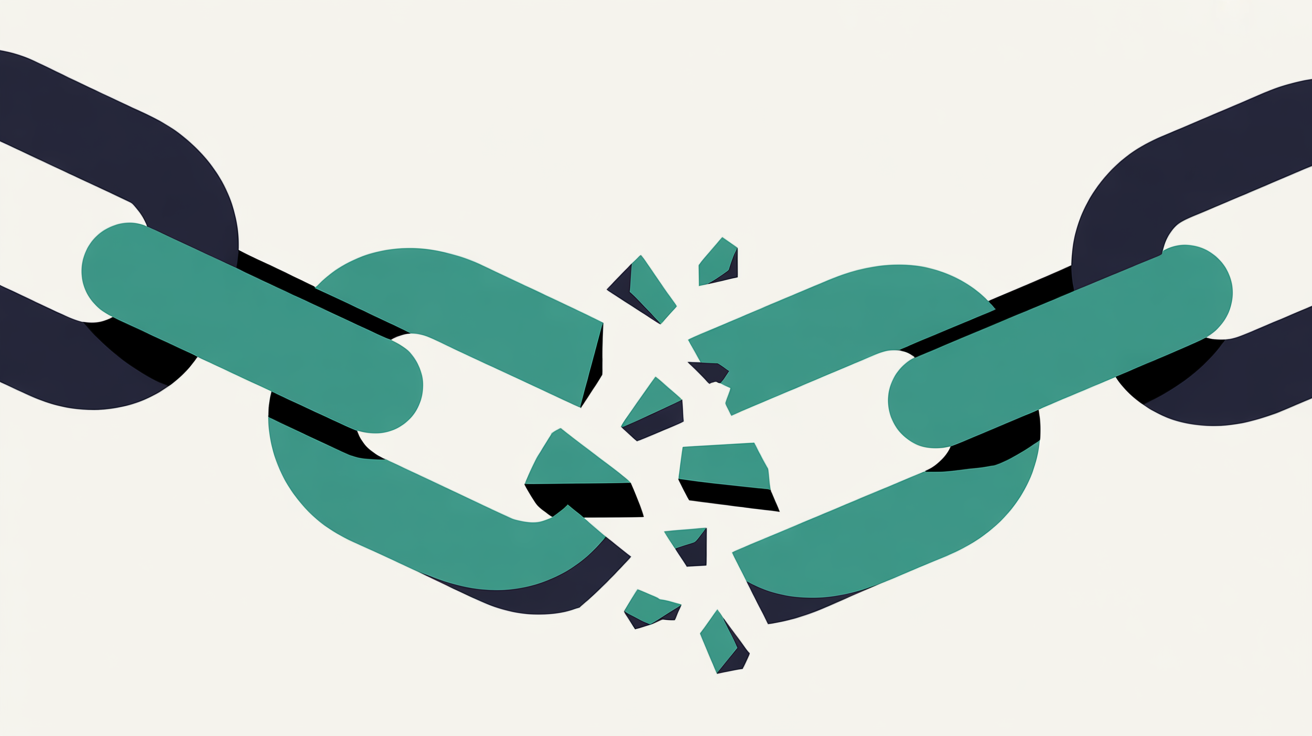
On 7 April, WordPress.org yanked 31 plugins from its directory in a single afternoon. Not for a buffer overflow. Not for a missed sanitisation call. For a backdoor that had been sitting quietly inside those plugins since August 2025, waiting for its new owner to flip the switch.
This is a different kind of security story. It is not about a zero day, a weak password, or a lazy developer. It is about what happens when someone buys a trusted piece of software and the trust does not transfer automatically to the new owner.
What Actually Happened
Austin Ginder, who runs Anchor Hosting in the US, pieced the timeline together while doing forensic work on a client site, and published the details last week. The short version: someone operating under the alias Kris bought a plugin portfolio called Essential Plugin on the marketplace Flippa, reportedly for a six-figure sum. Thirty one plugins came with that purchase, along with the SVN credentials that let the new owner push updates to WordPress.org.
On 8 August 2025, version 2.6.7 of Countdown Timer Ultimate shipped with 191 extra lines of code. The release note called it a routine compatibility fix. In reality, the plugin had been rewired to fetch attacker commands from an Ethereum smart contract instead of a domain. That detail is worth pausing on. Traditional command-and-control takedowns rely on revoking a domain name. An Ethereum contract cannot be taken down. It can only be ignored by clients that already know something is wrong.
The code sat dormant for roughly eight months. Around 5 April, it woke up. It downloaded spam content and served it only to Googlebot, leaving the visible site clean. Most site owners had no reason to suspect anything. Their pages looked fine. Their search rankings started drifting the wrong way.
Why This Broke The Usual Defences
Most WordPress breaches are straightforward. A plugin is out of date, a form field is not sanitised, someone exploits the gap. The fix is to update the plugin. Security scanners flag the vulnerable versions and life moves on.
This one was different. The plugins were not vulnerable. They were signed in by their legitimate maintainer, through WordPress.org's official update channel, using the same process every other update uses. A Wordfence scan would not have flagged a signed update from a legitimate author. A "trusted plugins only" policy would not have flagged it either. The plugins were trusted, right up until the trust was sold.
Picture the scenario. A solicitor's firm in Sligo is running WordPress with, say, eight plugins. Three of them shipped with the site they inherited. Two were added by the last web agency to fix a specific problem. Nobody on site has any idea who maintains any of them. That is the typical case, and it is the gap this attack walked through.
I have seen supply chain compromises like this twice in the past two years, though on smaller scales than April's. Every affected site discovered it the same way: someone else told them. Google suspended the Search Console account. A customer reported weird results. An AdSense violation notice arrived. By the time anyone looked under the bonnet, the spam had been serving to Googlebot for weeks.
What Actually Protects A Small Business
A proper defence against this class of attack is not a single product. It is a set of operational habits you should expect from any hosting provider worth paying for.
The first is file integrity monitoring at the server level, outside WordPress itself. If a plugin update quietly drops a file called wp-comments-posts.php or edits wp-config.php, an operator needs to see that within hours, not months.
The second is verified nightly backups with a real restore tested on a schedule. Plenty of hosts take backups. Fewer verify them. A backup from 4 April, taken before the malware activated, is the kind of insurance you do not want to discover is empty. Our complete guide to WordPress security and backups goes into that in more detail.
The third is a staging environment where plugin updates run first. This is the simplest control and the most underused. Pushing updates straight to production is how the broader class of plugin auto-update disasters keeps happening. A staging environment is not optional infrastructure. It is the cheapest insurance available.
Web60's enterprise-grade managed WordPress platform does all three by default. Server-level file integrity monitoring, nightly verified backups retained for 30 days, and one-click staging on every site. None of that stops an owner installing a compromised plugin. It stops the compromised plugin from quietly destroying a business.
One Honest Limitation
No defence catches everything in real time. If a backdoor phones home once every 72 hours through a blockchain RPC endpoint, it is possible to miss a single call between scans. The point is not perfection. The point is a short recovery window when something slips through, and a clean backup to roll back to.
To be fair, if you are running WordPress with a dedicated in-house security team, a plugin audit workflow, and a commercial WAF with behavioural analysis, you can self-manage this kind of risk. A handful of enterprises do. But most local firms are running WordPress because it is flexible and affordable, not because they have a security operations function. The risk model is different, and the hosting has to reflect that.
The Practical Upshot
The Essential Plugin attack will not be the last of its kind. WordPress powers roughly 43 percent of the internet, which makes it a target worth investing in. And supply chain attacks work because trust is efficient. Rewriting every trust relationship on every update would be exhausting. What you can change is the operational posture around your site.
If your host does not verify backups, does not monitor file changes, and does not offer a staging environment, you are relying entirely on plugin authors to stay honest, and on the next owners of those plugins to stay the same. That is a lot of trust to place in strangers you have never met.
Frequently Asked Questions
How do I check if my WordPress site was affected by the Essential Plugin supply chain attack?
Start with the list Anchor Hosting published of the 31 affected plugins, which includes Countdown Timer Ultimate, Popup Anything on Click, Post Grid and Filter Ultimate, WP Slick Slider and Image Carousel, and others. If any are installed on your site, inspect wp-config.php manually for unexpected PHP at the top or bottom of the file, search your WordPress directory for a dropped file named wp-comments-posts.php, and check your server logs for requests to analytics.essentialplugin.com. A forced plugin update will not clean an already compromised site, so assume the site needs a full review or a rollback to a pre-August 2025 backup.
Can security plugins like Wordfence detect this kind of supply chain backdoor?
Not reliably at the time of compromise. Security plugins look for known malicious signatures and behavioural patterns. A backdoor signed and delivered through the plugin author's legitimate WordPress.org account, using the same update channel as every other plugin, does not look anomalous until it is already running. Detection usually arrives after the fact, once the malicious behaviour is catalogued and signatures ship. File integrity monitoring at the server level is a stronger control, because it flags filesystem changes regardless of how they arrived.
Is a forced update enough to clean an already compromised WordPress site?
No. The forced update WordPress.org pushed on 8 April 2026 disabled the phone-home mechanism in future plugin versions. It did not remove injected PHP from wp-config.php or clean up files the backdoor had already dropped onto the filesystem. Any site compromised during the active window retains its infection until someone cleans it properly or rolls back to a known clean backup. Treat a forced update as containment, not recovery.
What should I ask my hosting provider about protection against supply chain attacks?
Ask three specific questions. First: do you take nightly backups, do you verify them with a scheduled restore test, and how many days do you retain them. Second: do you run file integrity monitoring at the server level that would flag unexpected changes to wp-config.php or the WordPress directory. Third: is a staging environment available by default on every site, and is it part of the standard plan or a paid add-on. If any of those answers is unclear, the hosting is not really managed.
Sources

Graeme Conkie founded SmartHost in 2020 and has spent years building hosting infrastructure for Irish businesses. He created Web60 after seeing the same problem repeatedly — Irish SMEs paying too much for hosting that underdelivers. He writes about WordPress infrastructure, server security, developer workflows, managed hosting strategy, and the real cost of hosting decisions for Irish business owners.
More by Graeme Conkie →Ready to get your business online?
Describe your business. AI builds your website in 60 seconds.
Build My Website Free →More from the blog
Google AI Official Websites Test: Is Your Business the Official One?
Google is testing an official websites section at the top of AI Mode and AI Overviews answers. What it means for your business and how to be the official one.
Google Ads Automated Promotions Turn Your Old Website Offers Into Live Ads
Since 12 October, Google Ads automated promotions copy deals from your website into your ads by default. Why a forgotten sale banner is now a live liability.