
Web60 Features
'My Site Is Too Small to Need a Staging Environment.' That Is Why Small Sites Break.
I get this on a call almost every week. Someone is moving their site over from cheap shared hosting. They have read about staging environments somewhere, and they want to know if they really need one. The site is only six pages, they say. There is a contact form, a WhatsApp button, a Google Maps embed, and that is it. Surely staging is for big WooCommerce shops and developer teams.
That is the myth. It sounds reasonable. It is wrong.
Most WordPress sites do not break because of hackers. They break on a Tuesday afternoon, in the middle of a perfectly ordinary week, because the owner clicked Update on a plugin and walked away to make a cup of tea. By the time they came back, the contact form was throwing a 500 error and the lead they had been chasing for three months had given up and rung the next firm on the list.
A staging environment would have caught that. The cost would have been about ninety seconds of the owner's time. The cost of not having one is the lead, the call, the Tuesday afternoon, and the panic that follows.
This article is about why staging matters even when your site is "just" a few pages, what staging actually is in plain terms, and what to look for in a host that takes it seriously.
Where the Myth Comes From
The myth that staging is for "big" sites is mostly a leftover from how WordPress was sold for the last decade. Cheap shared hosts gave you a single live site. Anything else, including staging, backups, and security tooling, was an upsell or a paid plugin. Most owners learned WordPress in an environment where there was no test mode at all. You opened the dashboard and you changed things. If something broke, you fixed it on the live site while it was broken.
Most owners also genuinely believe their sites are simple. And on the surface, they are. Six pages. A logo. Some photos. A contact form. How much can really go wrong?
A lot, actually. That "six page" site is sitting on top of a stack that includes WordPress core, a theme, between five and twenty plugins, a PHP runtime, a database, and probably a page builder doing real work to render every page. Each of those pieces updates on its own schedule. According to W3Techs, WordPress runs roughly four in ten of all websites on the internet [1], which means the plugin and theme ecosystem around it is enormous, fragmented, and updated constantly by thousands of independent developers who do not coordinate with each other.
The "small" site is not really small. It is just one where the owner cannot see the moving parts.
What 'Just a Few Pages' Actually Means in Practice
Open the Plugins screen on a typical small business WordPress site this morning. You will usually find some combination of: a contact form plugin, a security plugin, an SEO plugin, a backup plugin (often misconfigured), a page builder, a cookie banner, a Google Analytics connector, an image optimiser, a caching plugin, and two or three plugins the owner does not remember installing.
Each of those is a piece of code written by a different team. Each one has dependencies. Each one assumes a particular WordPress version, a particular PHP version, and that the other plugins on the site behave a certain way. When any of those assumptions changes, even slightly, things break.
The most common failure mode is not dramatic. The site does not go offline with a big red error. It just becomes subtly wrong. The contact form stops sending email but still says "thank you" to the visitor. The booking calendar shows the wrong availability. The page loads on desktop but not on mobile. The cookie banner refuses to dismiss. The checkout button greys out for half of customers.
These problems are quiet. Owners often do not notice for days. The first time they hear about it is when a customer phones to complain or a regular asks why the email they sent never got a reply.
This pattern is not unique to eCommerce sites, though shops make the conflicts visible because someone tries to spend money and cannot. On a brochure site, the same conflicts happen, they are just harder to spot. The business loses leads quietly, and the owner never connects the missing enquiries to the plugin update they ran six weeks earlier.
What Breaks When You Edit Production Directly
Editing a production site is the operational equivalent of doing routine maintenance on a car while it is being driven. You can do it. People do. But the failure modes when something goes wrong are very different from doing the same work in a workshop.
Common things that go wrong when changes are made directly on a live WordPress site:
- A plugin update introduces a fatal PHP error. The site shows the white screen of death. Visitors see nothing. The owner sees nothing in the dashboard either, because they cannot log in.
- A theme update changes a CSS selector. The hero image is now stretched, the menu has collapsed onto two lines, and the phone number is sitting on top of the logo.
- A new plugin gets installed to "try it out" and conflicts with the existing security plugin. Both stop working. The site is now technically online but unprotected and intermittently broken.
- An edit in the page builder saves cleanly, and the rest of the page builder content on every other page disappears from the editor view. The pages still render, but they cannot be edited any more until someone with database access fixes it.
- The WordPress permalink settings get changed. Every internal link on the site now goes to a 404. Google starts dropping pages from the index within days.
None of these are hypothetical. They are routine, and they happen in our incident logs every month. The pattern is always the same. Owner makes a change on production. Owner does not notice that something else broke. Customer notices first.
The actual cost varies. Liquid Web's research, summarised by Convergine, puts average annual website performance losses at around twenty thousand US dollars for the small businesses that experience them, which works out to roughly fifteen percent of their total revenue [2]. That number is for businesses with a meaningful online channel. For a sole trader whose website mostly drives phone calls and bookings, the cost looks different but it is still real, just measured in missed leads and lost reputation rather than direct revenue.
What a Staging Environment Actually Is
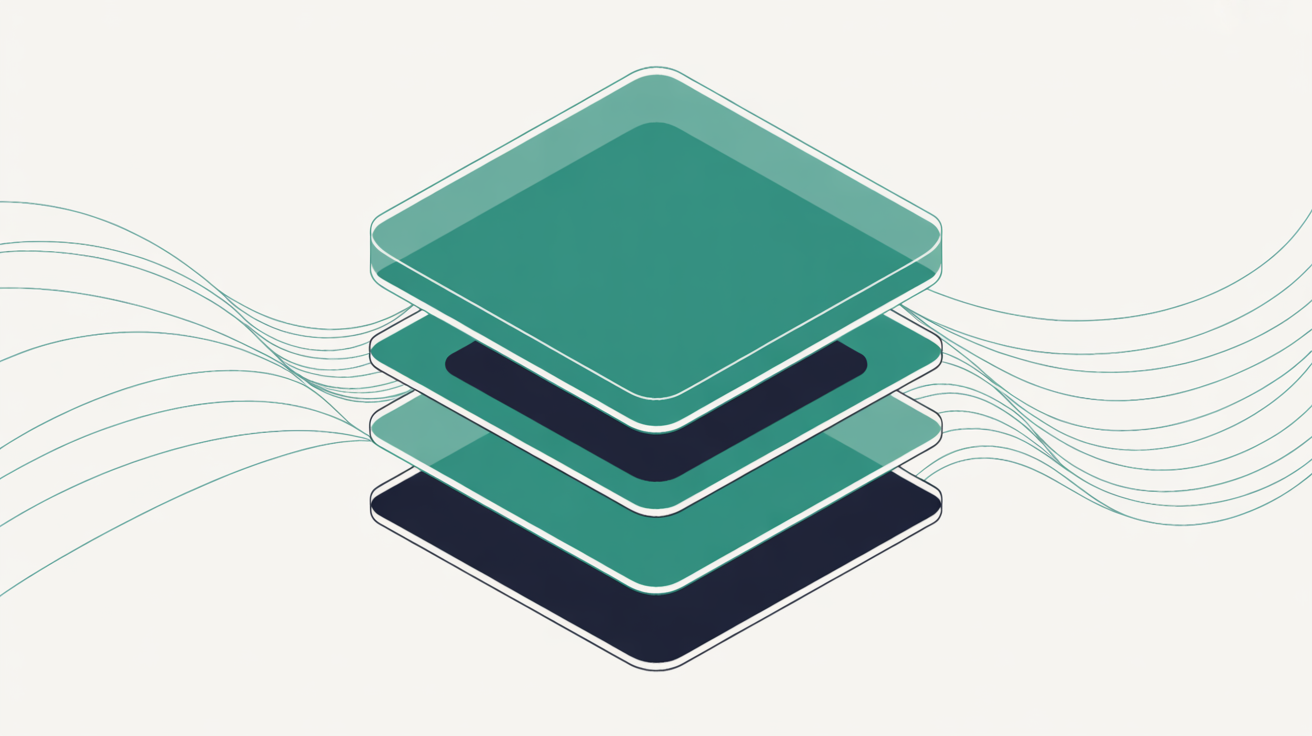
A staging environment is a private copy of the live website. It runs on the same hosting, with the same plugins, theme, and database, on a separate URL that visitors cannot find. It can be pushed, broken, pulled apart, and put back together, and customers will never see any of it.
The workflow is straightforward:
- Clone the live site to staging. One click. The whole site, including content and database, is copied across.
- Make the change in staging. Update the plugin. Try the new theme. Edit the page. Add the form.
- Verify everything still works. Click around. Submit the contact form. Check it on mobile. Verify the menu, the checkout, the booking flow.
- Push the change to production. If everything looks right in staging, deploy it to the live site.
- Rollback if needed. If something goes wrong on the live site after the push, restore from a snapshot taken just before the deploy.
The whole loop, from cloning to deploying, takes a few minutes for most changes. The benefit is that the live site never sees a half-finished change. Visitors get a stable site. The owner gets to make changes without holding their breath.
WP STAGING, the most widely used standalone staging plugin, has well over one hundred thousand active installations on the WordPress.org plugin directory [3]. That is a useful proxy for how often this problem comes up: enough that more than a hundred thousand site owners have gone looking for a tool to solve it, even though most managed hosts now bundle staging as a built-in feature.
The Sync Reality Check
A staging environment is not magic. Two things it does not do well, and they should be understood before you trust it.
First, staging cannot keep up with live customer activity in real time. If your shop takes ten orders while you are testing a checkout change in staging, those orders exist on the production database but not in staging. Pushing staging to production without re-syncing first can overwrite real customer orders with the older staging data. For brochure sites this rarely matters. For shops with active orders, you sync the database before any major push.
Second, staging is only as good as the habit of using it. A staging environment that nobody touches is just an unused copy of the site. The discipline of "clone, change, verify, deploy" is the actual feature. The tooling just makes the discipline cheap.
I have watched sites with one-click staging available go for months without it ever being used. The owner gets the email about a new plugin update, clicks Update on the live site out of habit, and the staging environment sits dormant until the day something breaks and they remember it exists. The tool was never the problem. The workflow was.
The Hosting Hierarchy: Staging Is Not Universal
This is where the cost of cheap shared hosting hides. Most basic shared plans do not give you a staging environment at all. They give you one live site and a database. You either install a staging plugin yourself, which adds another piece of code to maintain, or you go without.
Premium managed WordPress hosts include staging, but at premium prices. WP Engine plans start at roughly twenty US dollars a month and cap each site at three environments: production, staging, and development [4]. Kinsta starts at around thirty US dollars a month with one free staging environment included, with additional premium environments costing more [5]. For sites with serious traffic and a developer in the loop, those tools genuinely earn their cost.
Here is where the strategic concession matters. If you are running fifty WooCommerce stores with a dedicated DevOps team and complex deployment pipelines, premium managed hosts at enterprise tier really do suit that workload better than anything aimed at small businesses. The tooling, the multi-environment workflows, the dedicated dev environments, all of that exists for a reason and works as advertised. But that is not most owner-operators. The high-street shop, the small consultancy, the family-run hotel: they need staging, but they do not need three environments and they should not be paying enterprise pricing to get it.
The pattern most small businesses end up with is the worst of both worlds: cheap shared hosting that does not include staging, plus a busy life that does not leave time to run a separate staging plugin. So they either skip testing entirely, or they do "testing" by clicking Update and hoping. That is not testing. That is gambling.
What Web60 Does Differently
Web60 includes one-click staging on every plan, at every site, for EUR60 a year all-inclusive. That is the same price as the basic plan from many shared hosts that do not include staging at all. The tooling sits alongside automatic nightly backups, pre-update safety snapshots, and one-click restore in the standard dashboard, on enterprise-grade Irish infrastructure with Nginx, Redis, and FastCGI page caching.
In practice, that means a small Limerick accountancy firm can clone its live site to a staging URL, run the latest WordPress core update, verify the contact form still works on mobile, and push the change to production, all in about five minutes. If something does break despite the testing, the pre-update snapshot lets the owner restore the site to its exact state before the deploy with one click.
The reason staging matters for small business sites is not that small sites are technically complicated. It is that small business owners cannot afford the recovery time when things break. A retailer with no in-house IT team does not have someone on call to debug a broken checkout at four o'clock on a Friday. A solicitor's site that goes offline during business hours is missing client enquiries until somebody notices. Staging is not really about avoiding downtime. It is about avoiding the panic call to a freelance developer at the worst possible moment.
The deeper context on why automatic plugin updates fail so often is in our piece on plugin auto-update disasters, and the fuller treatment of how the rest of the platform handles security and operational safety lives in the complete WordPress security and backup guide for Irish websites. The full feature set, including staging, backups, malware scanning, free SSL, and the rest, is in Web60's all-inclusive EUR60/year managed WordPress hosting.
A Quick Operational Check
Before publishing the next plugin update, run through this:
- Has the site been cloned to staging in the last 24 hours?
- Has the update run on staging, with a click through the key pages?
- Has the contact form, the menu, and the mobile view been tested?
- Is there a fresh backup taken before the deploy?
- Is the rollback process clear if something goes wrong?
If the honest answer is no to any of those, the update is not really being tested. It is being launched and observed.
Conclusion
The "my site is too small for staging" myth survives because most small business owners have never seen a hosting setup where staging was easy. They have lived with cheap shared hosts that put it behind a paywall or a plugin, and the friction taught them that staging was for someone else.
It was never for someone else. It was always for them. The smaller the business, the less spare capacity there is to absorb a broken site, a missed lead, or a Friday afternoon spent on a panicked call to a developer. Staging is the cheapest insurance available for any WordPress site, and on a properly configured platform, the only cost is a couple of minutes before each change.
Make the next change in staging first. The site that gets saved will probably be your own.
Frequently Asked Questions
Do I really need a staging environment for a brochure-style website?
Yes, especially for brochure sites. The reason is not the complexity of the content but the fragility of the WordPress stack underneath it. Plugin updates, theme updates, and content edits can all break a brochure site, and brochure sites usually have nobody actively monitoring them. By the time you notice something is wrong, a customer or prospect has already seen it.
Will my customers see anything on the staging site?
No. Staging environments run on a separate URL that is not indexed by search engines and is not linked from your live site. Customers will not see it, find it, or land on it. Properly configured staging environments are also blocked from sending real emails to customers during testing, so test form submissions do not trigger live notifications.
How often should I use a staging environment?
Use it before any change you cannot easily undo. That includes plugin updates, theme updates, WordPress core updates, page builder changes, payment integration changes, and any structural change to navigation or permalinks. Routine content edits, like new blog posts or a phone number change, are usually safe on production with a backup taken first.
What happens to live orders or form submissions if I push staging to production?
This is the main practical limitation of staging. If you make changes in staging while orders or form submissions are arriving on the live site, pushing staging back to production can overwrite that data unless you sync the database first. Most managed hosts give you control over what gets pushed and what is preserved. For sites with active customer transactions, take care with database syncs and ask your host how they handle it.
Does Web60 charge extra for staging?
No. One-click staging is included on every Web60 plan as part of the EUR60/year all-inclusive price, alongside automatic nightly backups, pre-update snapshots, and one-click restore. There are no per-environment add-ons, no upsells, and no separate developer tier required to access it.
Sources
Ian oversees Web60's hosting infrastructure and operations. Responsible for the uptime, security, and performance of every site on the platform, he writes about the operational reality of keeping Irish business websites fast, secure, and online around the clock.
More by Ian O'Reilly →Ready to get your business online?
Describe your business. AI builds your website in 60 seconds.
Build My Website Free →More from the blog
Critical PHP Security Update: Four Questions to Ask Your Web Host This Week
The critical PHP security update of 21 October 2026 will not show in WordPress. Four questions for your host, and what a good answer sounds like.
WordPress Error Messages Explained: Read the Screen, Then Ring the Right Person
WordPress error messages explained in plain English: what a critical error, a database connection error or a 503 means, who fixes it, and what to do first.