
Industry News
EU Vulnerability Disclosure Laws Hit Ireland March 2026: What Every WordPress Business Must Know
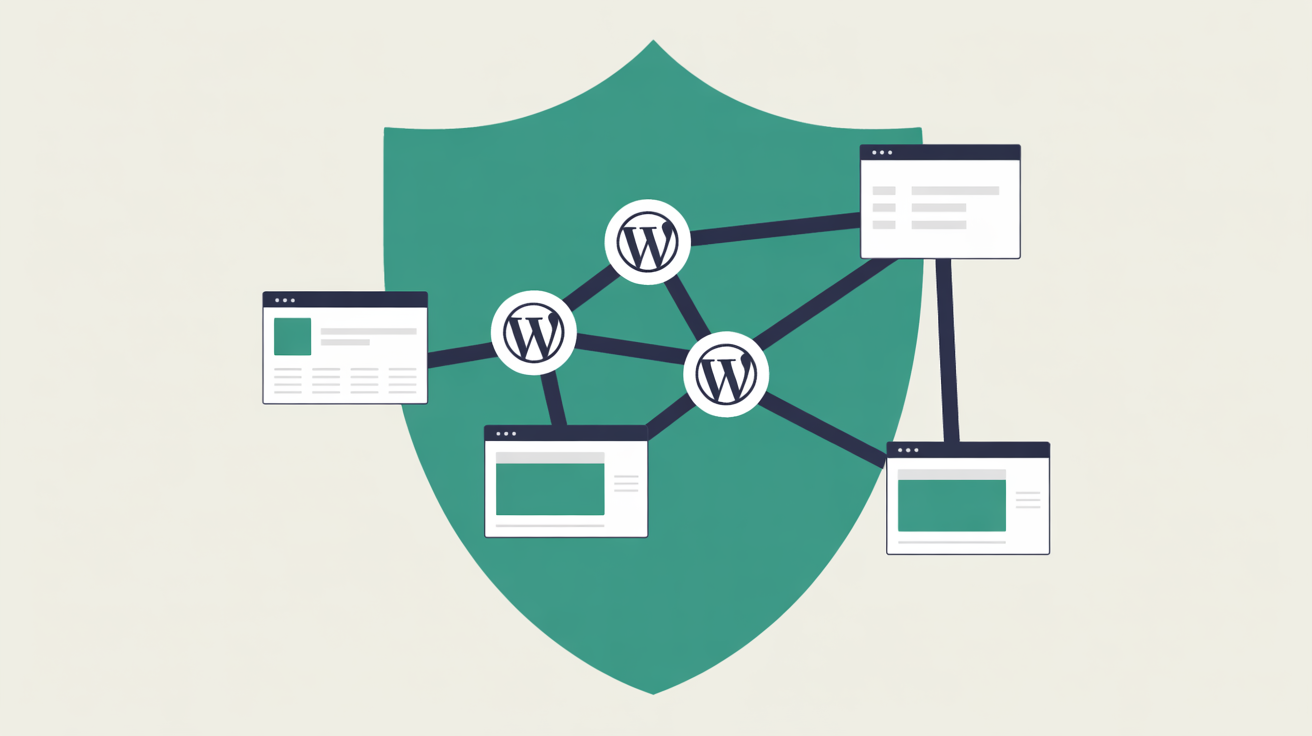
Everyone says WordPress security is just about backups and SSL certificates. Your hosting provider handles the rest, right? Wrong. Come March 2026, EU vulnerability disclosure requirements will force Irish WordPress businesses into a compliance storm that 90% have never heard of. The myth that WordPress security is someone else's problem is about to collide with legal reality.
The Compliance Myth Most Irish Businesses Believe
Here's what most Irish business owners think about WordPress security: install a security plugin, get an SSL certificate, maybe pay for backups. Job done. The hosting company handles everything else. This myth runs deep because it's been mostly true for years.
But EU legislation is rewriting the rules. The Cyber Resilience Act (CRA) creates mandatory vulnerability disclosure requirements for commercial websites. Starting September 2026, manufacturers must report actively exploited vulnerabilities through ENISA's Single Reporting Platform. By December 2027, the full CRA framework applies to all digital products with network connectivity.
WordPress sites don't exist in a regulatory vacuum anymore. If you're running a commercial website in Ireland, you're about to become responsible for vulnerability monitoring, incident reporting, and compliance documentation. Your hosting provider's standard security package won't cut it.
The numbers make this urgent. In 2024, 7,966 new vulnerabilities were found in the WordPress ecosystem. In 2025, that climbed to 11,334, a 42% increase in a single year. Attackers now weaponise newly disclosed vulnerabilities within a median window of just five hours for heavily targeted flaws. The regulatory framework is arriving just as the threat landscape explodes.
What the EU Vulnerability Disclosure Directive Actually Requires
The legislation isn't theoretical anymore. The EU Cyber Resilience Act creates specific obligations for businesses operating digital infrastructure. Starting September 2026, companies must report certain vulnerabilities and incidents via ENISA's Single Reporting Platform.

For WordPress businesses, this means:
Active vulnerability monitoring, not just patching when you remember, but systematic tracking of security issues affecting your site's plugins, themes, and core installation.
Incident documentation, when something goes wrong, you need logs, timestamps, and impact assessments. Not "the site was down for a bit."
Reporting infrastructure, the ability to submit formal reports to EU authorities when vulnerabilities are actively exploited on your systems.
Evidence retention, maintaining records that prove compliance with disclosure requirements. A comprehensive WordPress security and backup strategy provides the foundation for meeting these documentation requirements.
The Irish NIS2 Act adds another layer, applying primarily to entities established in Ireland. Unfortunately, Ireland missed the October 2024 transposition deadline and continues working through implementation requirements. That uncertainty makes preparation more urgent, not less.
Small Irish businesses face a particular challenge here. The legislation doesn't distinguish between a multinational corporation and a Waterford manufacturer with a trade catalogue site. If you're running WordPress commercially, these requirements apply to you.
The 68% WordPress Vulnerability Surge That Changed Everything
Looking at analytics reports this week, the vulnerability acceleration is unmistakable. WordPress's 44% overall market share translates to 521 million commercial websites worldwide. In Ireland alone, WordPress powers the majority of SME websites. Every vulnerability affects thousands of Irish businesses simultaneously.

The problem isn't just volume. It's sophistication. Of the 11,334 new vulnerabilities found in 2025, 4,124 (36%) represented actual threats serious enough to require immediate protection rules. Another 1,966 (17%) carried high severity scores. These aren't theoretical security holes. They're active attack vectors.
Consider what this means for compliance. Under the new requirements, a Limerick accountancy firm running WordPress must monitor for vulnerabilities across their entire software stack. Core WordPress, every plugin, the theme, server software, even third-party integrations like payment gateways. When a vulnerability surfaces, they need to assess impact, document response, and potentially file reports with EU authorities. You can check out Web60's hosting features to see what this means in practice. You can see what Web60 includes to see what this means in practice.
Traditional shared hosting providers aren't equipped for this. They'll patch obvious security holes, but systematic vulnerability disclosure requires infrastructure that most budget hosts simply don't provide. Professional security hardening and compliance documentation become essential business infrastructure, not optional add-ons.
Who Must Comply: Irish WordPress Sites in the Crosshairs
The legislation targets commercial websites, but "commercial" casts a wide net. If your WordPress site generates revenue, collects customer data, or supports business operations, you're likely caught by these requirements.
Who Needs This Most?
-
eCommerce businesses: Non-negotiable. Any site processing payments or storing customer data faces full compliance obligations. One unreported vulnerability during a breach could trigger regulatory penalties alongside the business damage.
-
Lead generation businesses: If your WordPress site captures leads for professional services, solicitors, accountants, consultants, you're handling personal data under GDPR and potentially subject to vulnerability disclosure requirements.
-
Service businesses with online booking: Hair salons, restaurants, professional services using WordPress for appointments or customer management fall under commercial website definitions.
The grey area involves personal blogs with minimal monetisation. A hobby blog with a few affiliate links probably escapes regulation. A professional blogger running sponsored content and collecting email addresses for newsletters? That's commercial use.
Irish businesses face a double challenge. EU regulations apply, but Ireland's delayed NIS2 implementation creates uncertainty about local enforcement mechanisms. The safest approach assumes full compliance obligations until Irish authorities clarify otherwise.
The Infrastructure Gap: Why Shared Hosting Won't Cut It
Traditional shared hosting operates on a set-and-forget model. Upload your WordPress files, point your domain, maybe get automated backups. Security is largely reactive, patch things when they break, restore from backup if something goes seriously wrong.
Vulnerability disclosure requires proactive infrastructure:
Security monitoring systems that track your entire software stack, not just WordPress core updates.
Detailed activity logging that records what happened, when, and what was affected.
Incident response capabilities that let you quickly assess impact and document your response.
Compliance reporting tools that generate the documentation EU authorities will expect.
Most shared hosting providers can't deliver this. They manage thousands of sites on shared servers. Individual vulnerability monitoring for each customer's plugin mix isn't economically viable at €3/month price points.
Premium managed WordPress hosts like Kinsta charge €35/month partly because they provide better security infrastructure. But even expensive hosts often focus on performance over compliance. Their security monitoring might catch obvious malware, but systematic vulnerability disclosure requires different tools entirely.
Professional WordPress security hardening becomes table stakes, not a premium feature.
Web60's GDPR-First Architecture and Built-in Compliance Tools
Web60 was built for the Irish regulatory environment from day one. While international hosting providers scramble to understand EU requirements, Web60's Irish sovereign cloud infrastructure naturally aligns with data protection and vulnerability disclosure obligations.
The platform includes compliance-ready features that most hosting providers treat as expensive add-ons:
Comprehensive activity logging tracks every change to your WordPress installation. Plugin updates, theme modifications, user logins, content changes, everything gets timestamped and recorded.
Automated security monitoring watches for vulnerabilities across your entire software stack. When new security issues surface in WordPress core, plugins, or themes, Web60's system flags affected sites immediately.
One-click staging environments let you test security updates safely before deploying to your live site. Critical for compliance, you need to verify that security patches don't break business operations.
Detailed backup documentation provides the paper trail regulators expect. Not just "we back up your site," but complete records of what was backed up, when, and verification that restoration works.
The Irish data sovereignty advantage matters here. EU regulators trust Irish infrastructure more than servers in jurisdictions with unclear data protection frameworks. When you're filing vulnerability reports with ENISA, hosting your infrastructure in Ireland removes one layer of regulatory complexity. For related reading, see our guide on Your Website Data Stays in Ireland: Why Data Sovereignty Matters for Irish Businesses. For related reading, see our guide on Your Business Website Is Down and You Do Not Even Know: Why Uptime Monitoring Matters.
At €60/year all-inclusive, Web60 delivers enterprise-grade compliance infrastructure at a price point Irish SMEs can actually afford.
Timeline and Penalties: What Happens if You Miss March 2026
The regulatory timeline is accelerating. September 2026 brings mandatory vulnerability reporting for actively exploited flaws. December 2027 sees full CRA implementation. Ireland's delayed NIS2 transposition adds uncertainty, but EU-wide enforcement continues regardless.
Penalties aren't theoretical. GDPR fines reach 4% of annual turnover or €20 million, whichever is higher. The Cyber Resilience Act includes similar penalty structures. For Irish SMEs, even a fraction of maximum penalties could be business-ending.
But financial penalties aren't the only risk. Regulatory non-compliance affects:
Insurance coverage, cyber insurance policies increasingly require evidence of regulatory compliance.
Customer trust, B2B clients ask about security certifications and compliance frameworks.
Business partnerships, larger companies vet suppliers' security and compliance posture.
Banking relationships, financial institutions scrutinise merchants' data protection practices.
The smart move: prepare now while you control the timeline. Waiting until September 2026 means rushing compliance implementation during regulatory scrutiny. Better to have systems in place and tested before enforcement begins.
Start with infrastructure that can grow with regulatory requirements. Web60's compliance-ready platform means you're prepared for vulnerability disclosure obligations without rebuilding your entire hosting setup.
Conclusion
The myth that WordPress security is someone else's problem dies in March 2026. EU vulnerability disclosure requirements will separate businesses with proper infrastructure from those running on hope and cheap hosting. Irish WordPress sites need compliance-ready hosting that understands both the technical requirements and the regulatory landscape. Web60's Irish-sovereign infrastructure, built-in security monitoring, and comprehensive activity logging provide the foundation for vulnerability disclosure compliance. Don't wait for the regulatory deadline to force your hand.
Frequently Asked Questions
Do EU vulnerability disclosure laws apply to small Irish businesses?
Yes, if you're running a commercial WordPress website. The legislation doesn't distinguish by business size. A small retailer in Cork faces the same vulnerability disclosure requirements as a multinational corporation if both operate commercial websites that collect data or process payments.
What happens if I don't comply with vulnerability disclosure requirements?
Penalties can reach 4% of annual turnover under similar frameworks like GDPR. Beyond financial penalties, non-compliance affects insurance coverage, customer trust, business partnerships, and banking relationships. For Irish SMEs, even partial penalties could be business-ending.
Can my current shared hosting provider handle vulnerability disclosure compliance?
Most shared hosting providers lack the infrastructure for systematic vulnerability monitoring and compliance reporting. They might patch obvious security holes, but EU requirements need detailed activity logging, security monitoring systems, and incident documentation that budget hosts don't typically provide.
When do vulnerability disclosure requirements start in Ireland?
September 2026 brings mandatory reporting for actively exploited vulnerabilities. December 2027 sees full Cyber Resilience Act implementation. Ireland's delayed NIS2 transposition creates some uncertainty about local enforcement, but EU-wide requirements apply regardless.
What records do I need to keep for vulnerability disclosure compliance?
You need comprehensive activity logs, security monitoring records, incident documentation with timestamps and impact assessments, evidence of vulnerability patching, and backup verification records. The documentation must prove you're actively monitoring and responding to security issues. You might also find our article on What Actually Makes a WordPress Site Fast: The Performance Stack Behind Every Page Load useful. You might also find our article on Website Maintenance Mode: How to Update Your Site Without Losing Customers useful.
Does hosting in Ireland provide any compliance advantages?
Yes, Irish data sovereignty removes regulatory complexity when dealing with EU authorities. Hosting infrastructure in Ireland means your data stays within clear GDPR jurisdiction, which EU regulators trust more than servers in jurisdictions with unclear data protection frameworks.
Sources

Graeme Conkie founded SmartHost in 2020 and has spent years building hosting infrastructure for Irish businesses. He created Web60 after seeing the same problem repeatedly — Irish SMEs paying too much for hosting that underdelivers. He writes about WordPress infrastructure, server security, developer workflows, managed hosting strategy, and the real cost of hosting decisions for Irish business owners.
More by Graeme Conkie →Ready to get your business online?
Describe your business. AI builds your website in 60 seconds.
Build My Website Free →More from the blog
EU Packaging Rules: The Irish Exemption That Does Not Travel With Your Parcel
The EU packaging rules applied from 12 August 2026. Ireland's 10 tonne exemption never covered exports. What that means for every parcel you post abroad.
The Advertising Code Applies to Your Website, Not Just Your Ads
Ireland's Advertising Code covers your own website, not only paid ads. Complaints are free, and upheld cases get published with your business name on them.