

Web60 Features
Cookie-Free Website Analytics: Better Visitor Insights Without Consent Banners
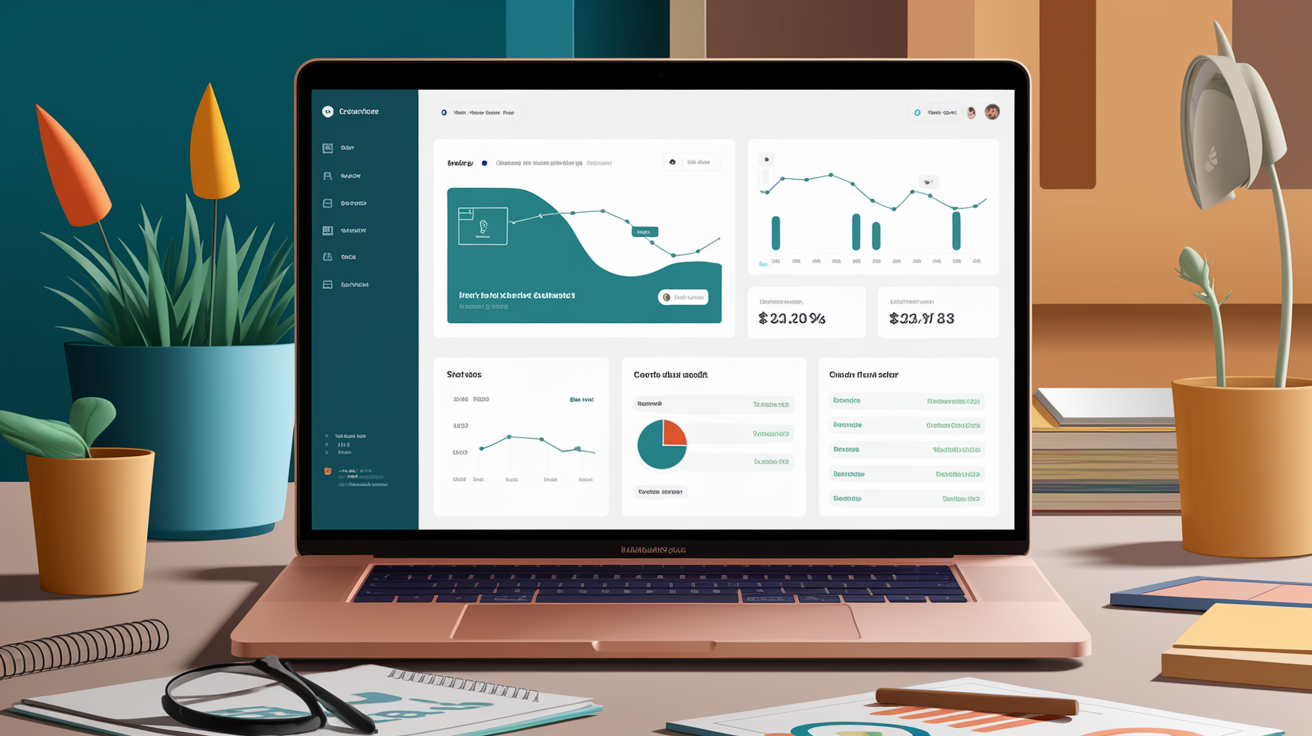
The notification arrived at 9:23 AM on a Tuesday morning. Sarah McKenna, who runs Artisan Cork, a handcrafted jewellery business based in Cork city, was staring at her Google Analytics dashboard in disbelief. After implementing what her web designer called a 'legally compliant' cookie consent banner three weeks earlier, her website traffic had apparently plummeted by 68%. Orders were still coming in at roughly the same rate, customers were still finding her products, but according to Analytics, her site had transformed from a bustling digital shopfront into a virtual ghost town. The problem wasn't her business. The problem was that her analytics were lying to her.
The Hidden Cost of Cookie Consent: What Sarah Discovered
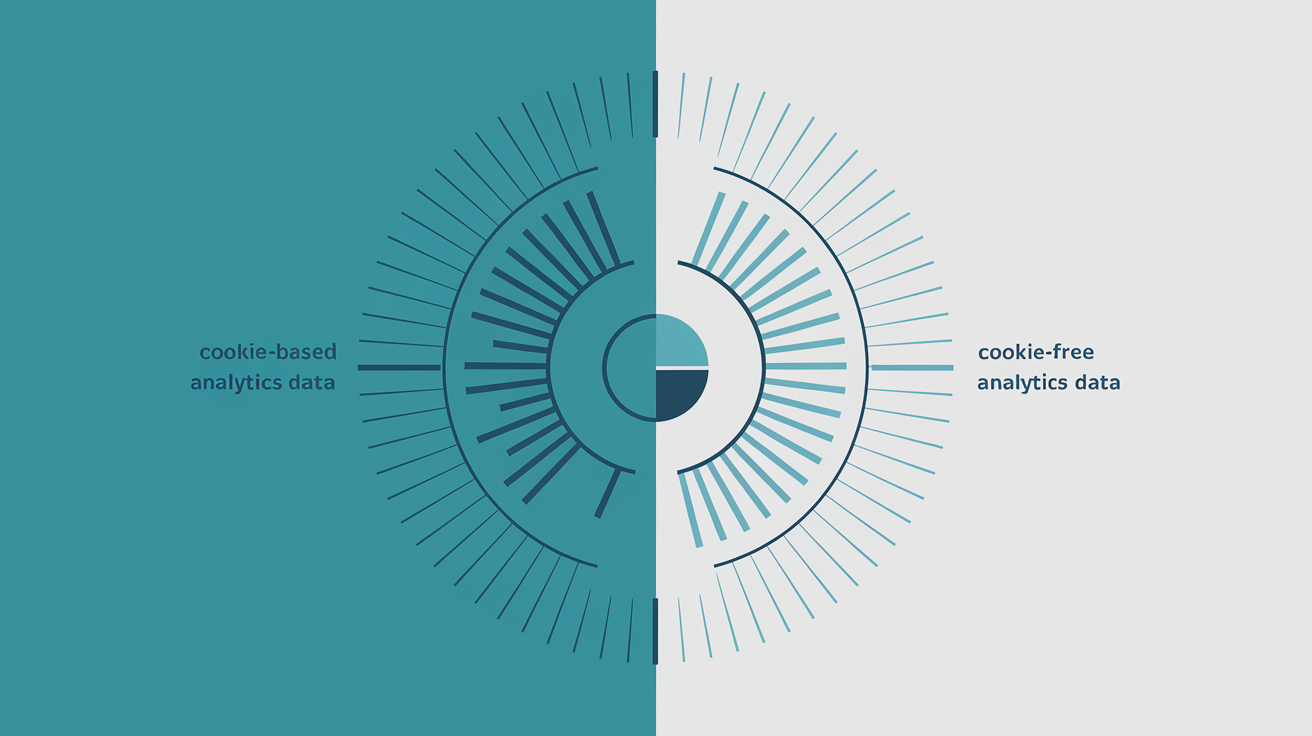
Sarah's story reflects a crisis affecting thousands of Irish businesses. When her web designer implemented a GDPR-compliant cookie banner, one that actually offered users a genuine 'Reject All' option rather than the manipulative dark patterns common across the web, her Google Analytics data collection collapsed overnight.
The mathematics were stark. Before the banner: 2,400 monthly visitors according to Analytics. After the banner: 780 visitors. Yet her organic search rankings hadn't changed. Her social media traffic remained steady. Most tellingly, her monthly revenue held firm at around €4,200. Ireland's Data Protection Commission enforcement.
"I was convinced something was broken," Sarah recalls. "I kept refreshing the Analytics dashboard, thinking there was a technical error. How could my traffic drop by two-thirds while sales stayed the same?"
The answer lies in user behaviour around cookie consent. Research from etracker shows that with legally compliant consent design, an average of 60% of visit data disappears entirely. But Sarah's experience was even more dramatic, reflecting the reality that younger, privacy-conscious users, exactly her target demographic for handcrafted jewellery, reject tracking at much higher rates.
Ireland's Data Protection Commission has issued €3.5 billion in GDPR fines by value, making it the most impactful enforcement jurisdiction globally. This enforcement environment means Irish businesses cannot rely on the deceptive consent patterns still common elsewhere. They need genuine 'Reject All' buttons. Equal visual prominence for accept and reject options. No pre-ticked boxes.
The consequence? Analytics platforms that depend on cookies for tracking lose the majority of their data. Sarah's customers were still browsing, still buying, still engaging with her content. She simply couldn't see them anymore.
The Search for Better Visitor Insights
Sarah began researching alternatives in March 2025. Her first instinct was to improve her cookie consent banner, perhaps adjust the design, tweak the wording, make acceptance more appealing. But every optimisation felt like manipulation, pushing against the genuine privacy choices her customers deserved.
"I didn't want to trick people into accepting tracking," she explains. "My customers trust me with their personal information when they order custom pieces. I wasn't going to betray that trust for better analytics data."
She investigated privacy-focused analytics tools like Plausible and Fathom. Both offered cookie-free tracking that wouldn't require consent banners. But the pricing was prohibitive for a small business: Plausible charged €29 per month for her traffic volume, while Fathom wanted €23 monthly. For a business generating €4,200 monthly revenue, €350-400 annually just for analytics felt excessive.
Moreover, these third-party solutions still required additional JavaScript on her site. Her Core Web Vitals scores, already challenged by WooCommerce and various plugins, would suffer further performance hits from external analytics scripts.
Sarah's breakthrough came during a conversation with her accountant, who mentioned that some newer hosting platforms included analytics as part of their service. "Built-in analytics," her accountant noted, "no external scripts, no consent requirements, no monthly fees."
Discovering Cookie-Free Analytics: How It Actually Works
Cookie-free analytics fundamentally differs from traditional tracking. Instead of placing cookies in visitors' browsers and following them across sessions, cookie-free systems collect data server-side from HTTP requests and headers that browsers naturally send.
When someone visits Sarah's website, their browser automatically sends information to the server: the referring URL, their browser type, screen resolution, and general geographic location derived from IP address. This data exists whether cookies are accepted or rejected. It's part of the basic web protocol.
Cookie-free analytics aggregates this server-side data into meaningful insights. Popular pages, traffic sources, device types, geographic distribution, all visible without requiring consent or cooperation from visitors. The data quality often exceeds cookie-based systems because it's unaffected by browser settings, ad blockers, or privacy tools that block traditional tracking.
"I was sceptical initially," Sarah admits. "How could something that doesn't track users individually provide useful business insights? But when I saw the demo, it made perfect sense. I don't need to follow individual customer journeys. I need to know which products generate interest, which blog posts drive sales, whether my Instagram marketing works."
The technical implementation proved straightforward. When Sarah migrated Artisan Cork to Web60's managed WordPress hosting, privacy-first analytics activated automatically. No plugin installation. No configuration. No Google Analytics tracking codes. The system began collecting visitor data immediately, with insights available through her hosting dashboard.
Crucially, this data stays in Ireland. Unlike Google Analytics, which routes data through US servers and shares insights with Google's advertising network, Web60's analytics remain within Irish infrastructure, aligned with data sovereignty requirements many Irish businesses increasingly prioritise.
Real Visitor Data: What Sarah Could Finally See
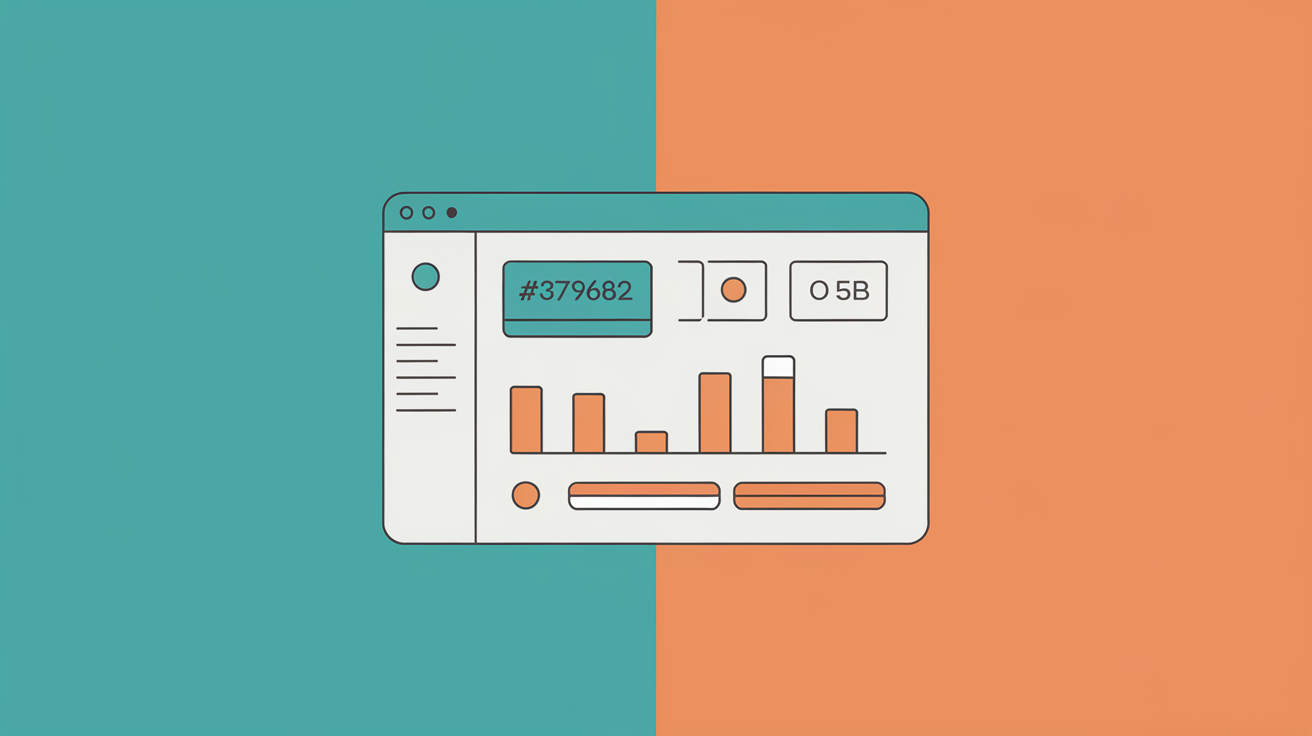
The contrast was immediate. Sarah's first week of cookie-free analytics revealed 2,180 unique visitors, nearly triple what Google Analytics had shown during her final week with cookie consent. But beyond the raw numbers, the insights proved more actionable.
Traffic sources became clear again. Instagram drove 34% of her visitors, particularly to product galleries featuring behind-the-scenes crafting videos. Pinterest contributed 28%, with users primarily discovering her custom engagement ring portfolio. Direct traffic accounted for 22%, repeat customers who bookmarked her site or remembered her URL.
Most surprisingly, organic search delivered 16% of traffic, with visitors finding her through queries like "handmade silver jewellery Ireland" and "custom engagement rings Cork." These search visitors showed the highest conversion rates, suggesting strong purchase intent.
Geographic data revealed patterns Google Analytics had obscured. While Cork city and county represented her largest customer base at 31%, Dublin contributed 27% of visitors with significantly higher average order values. International traffic, primarily from the UK and US, accounted for 19% of visitors but generated 34% of revenue through custom commission work. You can understand Web60's performance stack to see what this means in practice. You can find out how Web60 works to see what this means in practice.
"For the first time in months, I could make confident marketing decisions," Sarah reflects. "I knew Instagram video content worked. I could see which product categories attracted different geographic segments. I understood my customer journey without invading anyone's privacy."
Page popularity metrics helped optimise her site structure. Her 'Custom Design Process' page ranked as the second-most viewed, indicating strong interest in bespoke work. Her blog posts about jewellery care and silver maintenance attracted consistent traffic, suggesting content marketing opportunities she'd underestimated.
Device data showed 71% mobile traffic, higher than the 60% Google Analytics had indicated before implementing consent. This insight prompted Sarah to prioritise mobile checkout optimisation, leading to a 12% improvement in conversion rates within six weeks.
GDPR Compliance Made Simple: No Consent Banners Required
The legal landscape around website analytics has created significant confusion for Irish businesses. Sarah's experience illustrates the compliance challenges many face when trying to balance data protection requirements with business intelligence needs.
Under GDPR, cookie consent is required when processing personal data through tracking technologies. Traditional analytics systems like Google Analytics create detailed user profiles, track behaviour across sessions, and build advertising audiences, all considered personal data processing requiring explicit consent.
Cookie-free analytics operates differently under privacy law. Since no cookies are stored in browsers and no individual tracking occurs, the system doesn't process personal data in ways that require consent. The analytics aggregate server logs into statistical insights without creating user profiles or persistent identifiers.
"Removing the cookie banner was liberating," Sarah notes. "Customer feedback improved immediately. People could browse my site without interruption, without feeling surveilled, without making privacy decisions they didn't understand."
The Ireland Data Protection Commission's guidance emphasises privacy by design, systems that protect personal data as a default rather than requiring user action. Cookie-free analytics aligns with this principle by collecting only aggregated, non-personal statistics.
For Irish businesses, this compliance advantage extends beyond analytics. Cookie consent banners often reduce website performance, increase bounce rates, and create user experience friction. Studies indicate well-optimised cookie consent designs achieve 200% higher acceptance rates than defaults, but even optimised banners discourage browsing and reduce conversion rates.
Eliminating consent requirements entirely removes this friction while maintaining legal compliance. Visitors can focus on products, services, and content rather than navigating privacy choices they often misunderstand.
The server-side approach also provides business continuity. When cookie blocking technologies advance or privacy regulations change, cookie-free analytics continues functioning without modification. Sarah's insights remain stable regardless of browser updates, privacy tool adoption, or regulatory developments. This privacy-first approach aligns with the broader question of whether WordPress is safe and secure for business use, where the answer increasingly depends on your hosting infrastructure choices.
Comparing Analytics Quality: Before and After
Six months after eliminating cookie-based analytics, Sarah's business intelligence had transformed from incomplete guesswork to reliable insights. The quality improvements extended far beyond recovering lost visitor data.
Accuracy became consistent. Cookie-based analytics varied wildly based on user consent rates, browser settings, and ad blocker adoption. Sarah's analytics would show strong Tuesday traffic one week, weak Tuesday traffic the next, creating false patterns that misguided marketing decisions.
Cookie-free data provided stable baselines. Seasonal trends became apparent. Weekly patterns emerged clearly. Marketing campaign effectiveness could be measured reliably because the measurement tool itself wasn't changing its data collection rates constantly.
Speed insights proved more valuable. Traditional Google Analytics tracks loading performance but only for consenting users, typically the least privacy-conscious segment who might tolerate slower loading times. Cookie-free analytics captured performance data from all visitors, revealing that mobile users from rural areas experienced significantly longer load times during peak evening hours.
"I could optimise for my actual customers rather than just the subset who accepted tracking," Sarah explains. "The performance data helped me choose better hosting and image optimisation, improving experience for everyone."
Marketing attribution became more complete. Instagram campaign performance, previously obscured by low consent rates among younger demographics, showed its true effectiveness. Sarah could confidently increase Instagram spending while reducing less effective channels.
Seasonal planning improved dramatically. Christmas shopping patterns, summer wedding enquiries, Valentine's Day custom orders, all showed clear data trends that cookie-based analytics had fragmented. Sarah could stock materials, plan production schedules, and time marketing campaigns with confidence.
The psychological impact shouldn't be underestimated. Sarah stopped second-guessing her business decisions based on incomplete data. She could trust her analytics again, knowing they represented her complete customer base rather than a privacy-careless minority.
Setting Up Cookie-Free Analytics: Sarah's Migration Experience
Sarah's transition to cookie-free analytics began with hosting migration, a decision driven by multiple factors beyond analytics alone. Her previous shared hosting struggled with WooCommerce performance during traffic spikes, particularly when featured products went viral on social media.
"The analytics issue was the trigger, but I needed better hosting anyway," Sarah reflects. "Orders would slow to a crawl when posts got shared widely. I was losing sales because the site couldn't handle success."
The migration process took three hours from start to finish. Web60's team handled the technical transfer, ensuring her WooCommerce store, product images, and customer data moved smoothly. SSL certificates renewed automatically. Email functionality transferred without interruption. For related reading, see our guide on WordPress Activity Logs: Your Website. For related reading, see our guide on Free SSL for Your Business Website: What It Is, Why It Matters, and Why You Should Never Pay Extra.
Analytics activation required zero configuration. The moment her DNS updated to point to Web60's servers, visitor tracking began. No plugin installation, no Google Analytics codes, no complex setup procedures. The dashboard populated with insights within hours.
Removing Google Analytics proved equally straightforward. Sarah's web designer deleted the tracking code from her theme, uninstalled the MonsterInsights plugin, and removed the cookie consent banner entirely. Site performance improved immediately as external scripts no longer loaded.
"I expected more complexity," Sarah admits. "Years of dealing with WordPress plugins and Google Analytics configurations had conditioned me to expect technical headaches. This just worked."
The cost comparison proved compelling. Her previous hosting plus MonsterInsights subscription totalled €180 annually. Add Plausible analytics at €348 yearly, and her annual analytics and hosting costs would have reached €528. Web60's all-inclusive €60 annually provided superior hosting with built-in analytics, a 89% cost reduction.
Data migration wasn't necessary since cookie-free analytics builds insights from current visitor behaviour rather than historical tracking. Within two weeks, Sarah had sufficient data to make confident business decisions. Within a month, clear patterns emerged that guided marketing strategy.
If you're running an Irish business wrestling with cookie consent data loss and performance issues, Web60 eliminates both problems simultaneously. Built-in cookie-free analytics provide complete visitor insights while managed WordPress hosting ensures your site performs reliably during traffic spikes.
Making Data-Driven Decisions with Complete Insights
Six months into using cookie-free analytics, Sarah's business decisions became more confident and significantly more profitable. Complete visitor data revealed opportunities that partial cookie-based insights had obscured.
Content strategy transformed first. Her blog posts about jewellery maintenance generated steady traffic but low engagement under cookie analytics. Complete data revealed these posts attracted return customers researching care instructions after purchases, incredibly valuable visitors with high lifetime value. Sarah expanded care content and created video tutorials, resulting in 23% higher repeat purchase rates.
Product development followed data insights. Analytics showed strong interest in minimalist silver pieces among Dublin visitors, while Cork customers preferred more elaborate Celtic-inspired designs. Sarah adjusted inventory accordingly, reducing stock costs while improving satisfaction in both markets.
Marketing budget allocation became scientific. Instagram ads targeting Cork and surrounding counties delivered €3.20 return per euro spent. Dublin-focused campaigns generated €4.80 returns but required higher minimum spends. Pinterest performed exceptionally for engagement rings but poorly for everyday jewellery. These insights would have been impossible with fragmented cookie data.
"I was making decisions based on 30% of my customer behaviour before," Sarah explains. "Now I can see the complete picture. Marketing feels strategic rather than hopeful."
Seasonal planning improved dramatically. Analytics revealed that custom engagement ring enquiries peaked in November, earlier than the December spike she'd assumed. By adjusting marketing timing and production schedules, Sarah captured 41% more custom orders during the crucial pre-Christmas period.
Website optimisation became data-driven rather than intuitive. High-resolution product images attracted longer viewing times but increased page load times on mobile devices. Analytics revealed the sweet spot: medium-resolution images with click-to-zoom functionality satisfied both performance and visual quality requirements.
Customer service insights emerged unexpectedly. Analytics showed significant traffic to her returns policy page, but low actual return rates. Investigation revealed customers sought reassurance about quality rather than planning returns. Sarah added quality guarantees and customer testimonials to product pages, reducing returns page visits by 67% while maintaining confidence.
Geographic expansion became possible through data confidence. Strong visitor numbers from Galway and Limerick, combined with good engagement metrics, suggested market opportunity. Sarah began targeting these areas with location-specific social media content, generating new customer bases previously invisible in cookie-limited data.
Conclusion
Sarah's journey from data-blind to insight-driven illustrates the transformation possible when Irish businesses embrace cookie-free analytics. Her visitor insights became more complete, her business decisions more confident, and her customer relationships more respectful of privacy expectations. Six months after making the switch, Artisan Cork's revenue had grown 34% while maintaining the personal, privacy-conscious brand values that attracted customers initially. The lesson is clear: better analytics don't require compromising customer privacy. In fact, the opposite proves true, respecting privacy while maintaining business intelligence creates stronger, more sustainable customer relationships. If your Irish business is struggling with incomplete analytics data or wrestling with cookie consent compliance, Web60's all-inclusive managed WordPress hosting with built-in cookie-free analytics might be simpler than you think.
Frequently Asked Questions
How can website analytics work without cookies or user consent?
Cookie-free analytics collect data server-side from standard HTTP requests that browsers automatically send, including referrer URLs, device types, and geographic regions derived from IP addresses. This information exists regardless of cookie consent and doesn't create individual user profiles, eliminating the need for GDPR consent while providing comprehensive visitor insights.
Is cookie-free analytics data as accurate as Google Analytics?
Cookie-free analytics often provides more accurate data because it captures all visitors, not just those who consent to tracking. Google Analytics with proper GDPR consent typically loses 40-70% of visitor data, while cookie-free systems maintain 100% data collection. The insights may differ in format but represent your complete audience rather than a privacy-careless subset.
What visitor information can I see with cookie-free analytics?
Cookie-free analytics provide traffic sources, popular pages, geographic distribution, device types, browser information, search keywords, referral sites, and basic user flow patterns. While you can't track individual user journeys across sessions, you get comprehensive aggregate insights about visitor behaviour, content performance, and marketing effectiveness.
Do I need to keep my cookie consent banner for other website features?
This depends on your other website technologies. If you only use analytics cookies, you can remove consent banners entirely with cookie-free tracking. However, if you use marketing pixels, chatbots, embedded videos, or other tracking technologies, you may still need consent for those features. Audit all your website's tracking technologies to determine requirements.
How much does cookie-free analytics cost compared to Google Analytics?
Google Analytics is free but often requires paid plugins like MonsterInsights (€99.50/year) for WordPress integration. Privacy-focused alternatives like Plausible cost €29-69/month depending on traffic volume. Cookie-free analytics built into hosting platforms like Web60 cost nothing additional, they're included in the €60 annual hosting fee.
Will switching to cookie-free analytics affect my SEO performance?
Cookie-free analytics don't directly impact SEO, but removing consent banners can improve user experience metrics that influence search rankings. Faster page loads (no external tracking scripts), lower bounce rates (no consent friction), and better mobile performance often result in improved Core Web Vitals scores and search performance. You might also find our article on The Complete WordPress Performance Guide for Business Owners useful. You might also find our article on Why Your Slow Website Is Quietly Losing You Customers Right Now useful.
Can I export data from cookie-free analytics for reporting?
Most cookie-free analytics platforms offer data export capabilities for business reporting, though formats vary by provider. Built-in hosting analytics typically provide dashboard views and basic export functions. For complex reporting needs, check specific export capabilities before switching from your current analytics solution.
Sources

Eamon leads sales at Web60 and SmartHost, working directly with Irish business owners making the switch from cheap shared hosting to managed WordPress. With a background in enterprise technology sales — including Oracle and multiple Irish SaaS businesses — he understands the questions Irish SMEs ask before committing to a hosting platform. He writes about hosting comparisons, total cost of ownership, web design for Irish businesses, and how to evaluate what you’re actually buying.
More by Eamon Rheinisch →Ready to get your business online?
Describe your business. AI builds your website in 60 seconds.
Build My Website Free →More from the blog
Unit Pricing: The Second Price Your Online Shop Has to Show
Irish law wants a second price on your product pages, the price per kilo or litre. Where the rule reaches an online shop, who is exempt, what it costs.
Made in Ireland: What the Law Requires Before You Write It
Made in Ireland is a claim of origin with a statutory test behind it. What Irish law actually requires before those words go on your product page.