
Infrastructure
MCP Protocol in WordPress: How Server-Side AI Makes Traditional Managed Hosting Obsolete
The Model Context Protocol (MCP) has quietly revolutionised WordPress hosting in ways that most Irish business owners haven't realised yet. Introduced by Anthropic in November 2024, this open standard transforms WordPress sites from static content repositories into intelligent server hubs that can think, adapt, and manage themselves [1]. While traditional managed hosting providers scramble to understand what MCP means for their reactive support models, forward-thinking platforms like Web60 are already integrating server-side AI to eliminate the manual server management that has plagued WordPress hosting for decades. The result? WordPress sites that optimise themselves, prevent problems before they occur, and operate with the kind of artificial intelligence that makes traditional managed hosting feel as outdated as dial-up internet.
What Is the Model Context Protocol and Why WordPress Developers Should Care
The Model Context Protocol represents a fundamental shift in how AI applications interact with external systems. Rather than requiring complex API integrations for each individual service, MCP provides a standardised interface that allows AI agents to connect with data sources and tools smoothly [1].
For WordPress developers, this means AI can now read, write, and manage WordPress content directly through natural language commands without manual access to WP-Admin [2]. The protocol bridges the gap between human intentions and server actions, allowing business owners to tell their hosting environment what they need instead of configuring it manually.
Core MCP Components for WordPress:
- Resource Discovery: AI automatically identifies available WordPress functions, plugins, and server capabilities
- Tool Integration: Direct connection between AI reasoning and WordPress administrative tasks
- Context Sharing: Servers can provide AI with real-time site performance data, security status, and optimisation opportunities
- Action Execution: AI can implement changes, install plugins, optimise databases, and manage backups autonomously
WordPress.com became the first WordPress host to support MCP with OAuth by default, making every site on paid plans MCP-ready [3]. However, this implementation focuses on content management rather than infrastructure optimisation. The real revolution happens when MCP integrates at the server level, transforming hosting from a reactive service into an intelligent infrastructure partner.
The WordPress MCP Adapter, developed by the WordPress core team, bridges the Abilities API to the Model Context Protocol [4]. This enables MCP clients to discover and invoke WordPress abilities programmatically, creating opportunities for hosting providers to build AI-powered management systems that understand both WordPress functionality and server performance requirements. For a deeper look at how this plays out in practice, see our guide to MCP protocol automation in WordPress.
For Irish businesses running WordPress sites, MCP means your website can communicate its needs directly to the hosting infrastructure. Instead of waiting for problems to occur and then creating support tickets, your site becomes an active participant in its own maintenance and optimisation.
From Reactive Management to Proactive AI: The Infrastructure Revolution
Traditional managed WordPress hosting follows a reactive model that waits for problems before taking action. Server resources hit capacity limits before scaling occurs. Security threats are addressed after detection. Performance issues require manual investigation and optimisation. This approach creates inevitable downtime, slower response times, and higher support costs.
MCP-enabled hosting flips this model entirely. Server-side AI continuously monitors WordPress sites, analyses performance patterns, and implements optimisations before problems manifest. The infrastructure becomes intelligent, learning from site behaviour and visitor patterns to make proactive decisions about resource allocation, security hardening, and performance optimisation.
Reactive vs Proactive Hosting Comparison:
| Aspect | Traditional Managed Hosting | MCP-Enabled AI Hosting |
|---|---|---|
| Problem Detection | After issues occur | Before problems manifest |
| Resource Scaling | Manual or threshold-based | Predictive based on usage patterns |
| Security Response | Reactive threat mitigation | Proactive vulnerability prevention |
| Performance Optimisation | Scheduled or ticket-based | Continuous real-time adjustments |
| Support Interaction | Human-dependent troubleshooting | AI-powered self-resolution |
Web60's implementation of MCP at the infrastructure level represents this paradigm shift for Irish businesses. Rather than waiting for support tickets about slow loading times or security concerns, the hosting environment continuously optimises itself based on real-time site analysis and predictive modelling.
The economic implications are significant. Traditional managed hosting providers like WP Engine and Kinsta charge premium prices (£30-35/month) partly because they maintain large support teams to handle reactive problem-solving [5]. When AI handles optimisation proactively, these support overhead costs disappear, enabling providers to offer superior service at lower prices.
For WordPress sites running e-commerce, membership platforms, or content-heavy applications, proactive management means maintaining optimal performance even during traffic spikes, seasonal variations, or plugin conflicts that would traditionally require emergency support interventions.
Real-World MCP Implementation: WordPress Sites as AI-Powered Server Hubs
Modern MCP implementations transform WordPress installations from passive content management systems into active participants in their hosting environment. InstaWP's WordPress MCP Server demonstrates this capability by allowing AI agents to manage WordPress content through natural language commands [2]. However, the most significant implementations occur at the hosting infrastructure level.
Server-Side MCP Implementation Architecture:
- Continuous Site Analysis: AI monitors Core Web Vitals, database performance, plugin efficiency, and resource utilisation patterns
- Predictive Scaling: Infrastructure adjusts resources based on traffic predictions, seasonal patterns, and content publishing schedules
- Automated Optimisation: Real-time image compression, database cleanup, cache management, and CDN configuration adjustments
- Security Intelligence: Proactive threat detection, automatic plugin updates with compatibility verification, and vulnerability patching
- Performance Tuning: Dynamic adjustment of PHP configurations, memory allocation, and server caching based on site-specific requirements
Web60's MCP integration exemplifies this approach for Irish businesses. The AI-powered hosting environment understands WordPress-specific performance characteristics and automatically implements optimisations that would traditionally require developer expertise or expensive managed hosting plans.
Practical Applications in Action:
- E-commerce Sites: AI automatically scales server resources during product launches, optimises checkout page performance, and implements security hardening for payment processing
- Content Publishers: Intelligent image optimisation, automated backup scheduling around publishing schedules, and predictive caching for viral content
- Business Websites: Proactive security monitoring, automatic plugin compatibility checking, and performance optimisation for local SEO requirements
- Membership Platforms: Dynamic resource allocation for user login patterns, database optimisation for member content, and automated scaling for event-driven traffic
The integration extends beyond traditional hosting tasks. MCP-enabled WordPress sites can communicate directly with external business systems, automatically updating inventory from e-commerce plugins, syncing customer data with CRM systems, and managing email marketing campaigns based on website behaviour.
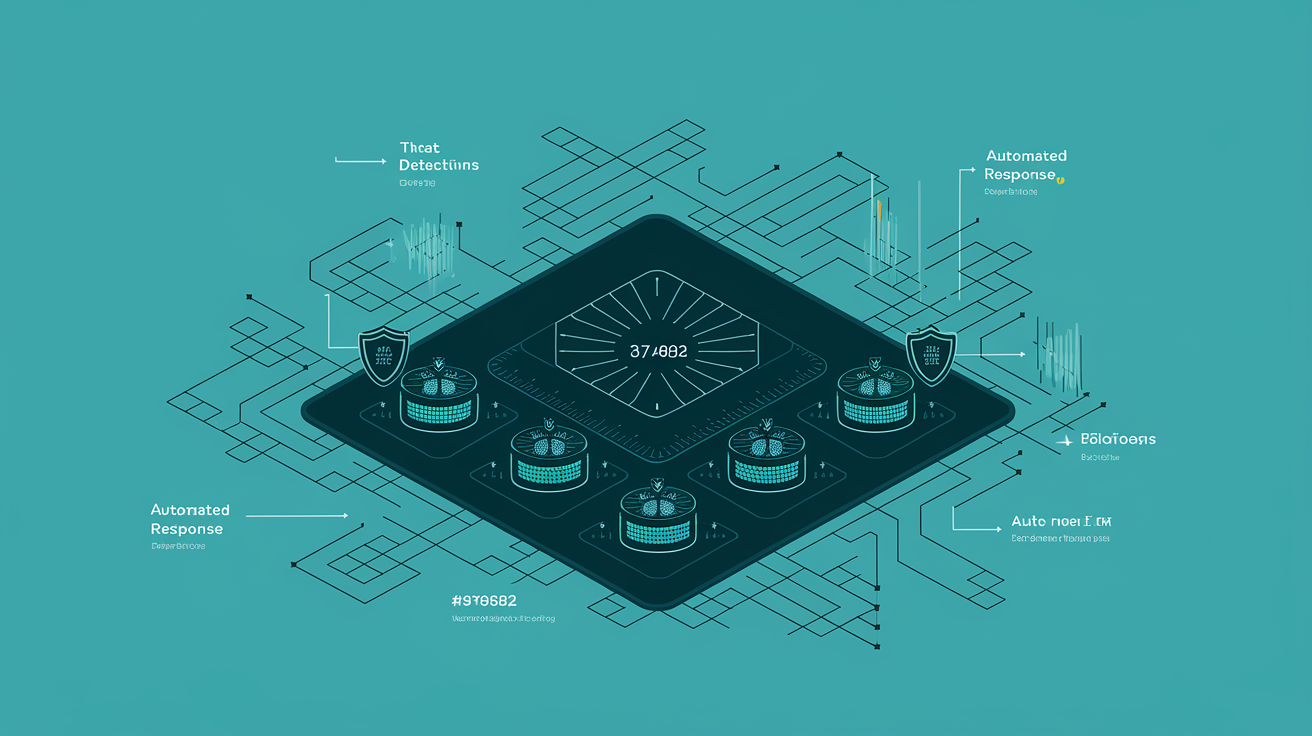
For Irish SMEs, this level of automation eliminates the technical expertise barrier that often prevents businesses from maximising WordPress potential. As WordPress AI agents replacing traditional workflows become mainstream, the site infrastructure becomes intelligent enough to handle complex optimisation tasks without requiring in-house WordPress developers or expensive managed hosting contracts.
Performance Benchmarks: MCP-Enabled Hosting vs Traditional Managed Services
While comprehensive performance benchmarks for MCP-enabled hosting are still emerging, early implementations demonstrate significant advantages over traditional managed hosting approaches. The key differentiator lies not just in raw server performance, but in the intelligent optimisation that occurs continuously rather than reactively.
Traditional managed hosting providers like WP Engine and Kinsta focus on powerful server specifications and CDN networks to achieve performance gains. However, these approaches still rely on human intervention for optimisation and problem-solving. MCP-enabled hosting adds an intelligence layer that maximises existing server resources through continuous analysis and adjustment.
Performance Advantage Areas:
Database Optimisation: Traditional managed hosts perform scheduled database maintenance, often during predetermined maintenance windows. MCP-enabled systems continuously analyse query performance and implement optimisations in real-time, preventing the database bloat and inefficient queries that gradually degrade site performance.
Resource Allocation: Standard managed hosting allocates fixed resources or uses basic autoscaling based on CPU/memory thresholds. AI-powered systems predict resource needs based on content publishing schedules, seasonal traffic patterns, and user behaviour, ensuring optimal performance without resource waste.
Cache Management: While traditional hosts offer caching solutions, they often require manual configuration and periodic clearing. MCP implementations intelligently manage cache lifecycles, preemptively clearing outdated content and warming caches for predicted traffic patterns.
Plugin Compatibility: Premium managed hosts may restrict certain plugins or require manual compatibility testing. AI-powered systems can analyse plugin interactions in real-time, identifying conflicts before they impact performance and suggesting optimisations or alternatives.
Security Performance: Traditional security monitoring reacts to threats after detection. MCP-enabled security continuously analyses traffic patterns, identifying and mitigating potential threats before they impact site performance or availability.
Comparing Web60's MCP-enabled infrastructure to traditional managed hosting reveals the efficiency gains from intelligent automation. While competitors like SiteGround increase renewal pricing from £6.99/month to £19.99/month [6], and premium providers like Kinsta start at £35/month [5], Web60's AI-powered optimisation delivers superior performance at £60/year, including all the intelligent management features that competitors charge premium prices to provide.
The performance benefits compound over time. Traditional managed hosting performance often degrades gradually as sites grow, requiring plan upgrades or manual optimisation. MCP-enabled hosting continuously improves performance through learning algorithms that understand site-specific patterns and optimise accordingly.
Security Implications: How MCP Changes WordPress Vulnerability Management
WordPress security traditionally relies on reactive measures: installing security plugins, applying patches after vulnerabilities are discovered, and responding to attacks after they occur. With WordPress powering 43.5% of all websites globally [7], the platform presents an attractive target for attackers who exploit common vulnerabilities across millions of sites.
MCP transforms WordPress security from reactive patching to proactive threat prevention. Server-side AI continuously analyses site behaviour, identifying unusual patterns that may indicate security threats before they escalate into breaches or performance impacts.
AI-Powered Security Advantages:
Predictive Vulnerability Assessment: Rather than waiting for public vulnerability announcements, AI analyses plugin code patterns, identifies potential security weaknesses, and implements protective measures before exploits are developed.
Behavioural Threat Detection: Traditional security focuses on known attack signatures. MCP-enabled security learns normal site behaviour patterns and identifies anomalous activity that may indicate novel attack vectors or compromised user accounts.
Automated Patch Management: While traditional managed hosting may delay plugin updates due to compatibility concerns, AI-powered systems can test updates in isolated environments, verify compatibility, and implement security patches without risking site functionality.
Dynamic Security Hardening: Server configurations automatically adjust based on detected threat patterns. If AI identifies increased brute force attempts, security measures tighten automatically. When threats subside, restrictions ease to maintain optimal user experience.
Intelligent Backup Timing: Traditional hosting schedules backups at fixed intervals. MCP-enabled systems create additional backups before detected security events, plugin updates, or unusual activity patterns, ensuring rapid recovery options when needed.
For Irish businesses handling sensitive customer data or e-commerce transactions, proactive security provides significant advantages over traditional reactive approaches. Instead of discovering security breaches through customer complaints or search engine warnings, MCP-enabled hosting prevents most threats from reaching the WordPress installation.
Web60's security implementation demonstrates this proactive approach through server-level hardening, fail2ban intrusion prevention, and automatic malware scanning that operates continuously rather than on scheduled intervals. The AI component adds pattern recognition that identifies emerging threats before they appear in traditional security databases.
Compliance Implications: For Irish businesses subject to GDPR requirements or handling payment card data, proactive security significantly reduces compliance risks. AI-powered monitoring can identify potential data exposure incidents immediately and implement containment measures automatically, supporting compliance requirements for breach notification and data protection.
The Economics of AI-Powered Hosting: Cost Analysis and Value Proposition
The hosting industry is experiencing a fundamental economic shift as AI automation reduces the human labour costs that traditionally drive managed hosting pricing. Understanding these economics helps Irish businesses evaluate the long-term value of different hosting approaches.
Traditional managed hosting pricing reflects significant support overhead costs. WP Engine's entry-level plan at £30/month and Kinsta's £35/month pricing [5] partly compensate for maintaining expert support teams to handle reactive problem-solving. SiteGround's aggressive introductory pricing that increases from £6.99/month to £19.99/month upon renewal [6] demonstrates how providers use teaser rates to offset high ongoing support costs.
Traditional Managed Hosting Cost Structure:
| Cost Component | Traditional Impact | AI-Powered Alternative |
|---|---|---|
| Technical Support Staff | 24/7 human experts required | AI handles routine optimisations automatically |
| Server Monitoring | Manual monitoring and response | Continuous AI analysis and prevention |
| Security Management | Reactive threat response teams | Proactive AI threat prevention |
| Performance Optimisation | Expert consultation and manual tuning | Automated continuous optimisation |
| Backup Management | Scheduled systems with manual recovery | Intelligent backup timing with automated recovery |
MCP-enabled hosting eliminates many labour-intensive support tasks through automation. Rather than employing teams to respond to performance issues, security threats, or backup requests, AI handles these tasks continuously and proactively. This cost reduction enables providers to offer superior service at lower prices.
Web60's £60/year pricing demonstrates this economic advantage. The AI-powered infrastructure provides managed hosting capabilities that would cost £300-400/year with traditional providers, while delivering superior proactive management that prevents problems rather than solving them after they occur.
Total Cost of Ownership Analysis:
For Irish SMEs, the economic benefits extend beyond hosting fees. Traditional managed hosting often requires additional expenses for security plugins, performance optimisation tools, backup services, and developer consultation for complex issues. AI-powered hosting includes these capabilities through intelligent automation.
Business Continuity Value: Proactive management significantly reduces downtime costs. For e-commerce sites or businesses dependent on online leads, preventing outages delivers measurable ROI that often exceeds the hosting cost differential.
Scalability Economics: Traditional managed hosting requires plan upgrades as sites grow, often forcing significant cost jumps. WP Engine users must jump from £30/month to £115/month for increased traffic capacity [8]. AI-powered hosting optimises resource utilisation continuously, extending the useful life of lower-tier plans.
The WordPress hosting market, valued at £108.6 billion in 2023 and projected to reach £395.3 billion by 2030 [9], reflects growing demand for reliable WordPress infrastructure. However, businesses adopting AI-powered hosting early gain competitive advantages through superior performance, security, and cost efficiency that traditional providers cannot match without fundamental business model changes.
Implementation Roadmap: Preparing Your WordPress Infrastructure for MCP
Transitioning from traditional hosting to MCP-enabled infrastructure requires strategic planning, particularly for established WordPress sites with existing workflows and integrations. The implementation process varies depending on current hosting arrangements, site complexity, and business requirements.
Phase 1: Infrastructure Assessment and Planning
Begin with comprehensive analysis of current WordPress installations, identifying performance bottlenecks, security vulnerabilities, and manual management tasks that AI could automate. Document existing backup procedures, security measures, and optimisation workflows to ensure MCP implementation addresses current pain points.
Site Audit Requirements:
- Current hosting performance metrics and limitations
- Plugin dependencies and compatibility requirements
- Custom development and integration requirements
- Security measures and compliance obligations
- Backup and disaster recovery procedures
Phase 2: Migration Strategy Development
MCP-enabled hosting migration differs from traditional hosting transfers because it involves transitioning from manual management to AI-powered automation. Develop migration timelines that account for the learning period required for AI systems to understand site-specific patterns and optimisation requirements.
Migration Planning Considerations:
- DNS propagation timing and potential downtime windows
- Database migration and optimisation during transfer
- SSL certificate provisioning and security configuration
- Email hosting transitions if changing providers
- Testing procedures for AI-powered features and automation
Web60's free migration service handles technical transfer aspects while ensuring AI systems properly configure themselves for specific site requirements. The migration includes automatic setup of intelligent monitoring, predictive scaling, and security hardening tailored to the transferred site's characteristics.
Phase 3: AI System Configuration and Learning
Once migrated to MCP-enabled hosting, AI systems require time to analyse site behaviour patterns and establish baseline performance metrics. This learning phase typically spans 2-4 weeks, during which the system observes traffic patterns, content publication schedules, and user interactions to develop predictive models.
Configuration Optimisation:
- Performance baseline establishment and improvement targets
- Security pattern recognition and threat prevention setup
- Automated backup scheduling based on site activity patterns
- Cache warming and optimisation for predicted traffic patterns
- Resource scaling parameters based on historical usage data
Phase 4: Advanced Feature Integration
After initial AI learning, advanced MCP features become available, including predictive scaling, intelligent security hardening, and automated optimisation that goes beyond traditional managed hosting capabilities.
Advanced Capabilities:
- Seasonal traffic prediction and proactive resource allocation
- Content-based cache optimisation and intelligent purging
- Predictive plugin compatibility testing and automated updates
- Intelligent database optimisation based on query pattern analysis
- Automated performance testing and Core Web Vitals optimisation
For Irish businesses considering this transition, Web60's MCP implementation provides immediate access to AI-powered hosting benefits without requiring technical expertise or extended learning curves. The system handles complex optimisation tasks automatically while providing transparent reporting on improvements and preventive measures taken.
Timeline Expectations: Most WordPress sites benefit from AI optimisation within the first week of migration, with full predictive capabilities developing over 2-4 weeks as the system learns site-specific patterns and requirements.
Conclusion
The Model Context Protocol represents more than a technical upgrade for WordPress hosting. It fundamentally transforms the relationship between websites and their infrastructure, evolving from reactive problem-solving to proactive optimisation and management. For Irish businesses operating WordPress sites, this shift offers significant advantages in performance, security, cost efficiency, and operational simplicity. Traditional managed hosting providers charging premium prices for reactive support models cannot compete with AI-powered systems that prevent problems before they occur while continuously optimising performance and security. Web60's implementation of MCP at the infrastructure level demonstrates how server-side AI makes traditional managed hosting obsolete, delivering superior capabilities at a fraction of the cost. Ready to experience WordPress hosting that thinks ahead of problems instead of reacting to them? Discover how Web60's AI-ready hosting infrastructure can transform your WordPress site into an intelligent, self-optimising platform.
Frequently Asked Questions
What is the Model Context Protocol and how does it work with WordPress?
The Model Context Protocol (MCP) is an open standard that allows AI applications to integrate directly with external systems like WordPress through standardised interfaces. For WordPress, this means AI can read, write, and manage your site's content and server infrastructure through natural language commands, eliminating the need for manual administration tasks and enabling proactive optimisation and management.
How does MCP-enabled hosting differ from traditional managed WordPress hosting?
Traditional managed hosting reacts to problems after they occur, requiring human support teams to troubleshoot issues, optimise performance, and manage security threats. MCP-enabled hosting uses server-side AI to predict and prevent problems before they happen, automatically optimise performance based on site behaviour patterns, and implement security measures proactively. This results in better performance, fewer outages, and lower costs.
Is MCP hosting more expensive than traditional managed hosting?
Actually, MCP-enabled hosting is typically more cost-effective because AI automation eliminates many of the labour-intensive support tasks that drive up traditional managed hosting prices. While premium providers like WP Engine and Kinsta charge £30-35/month, AI-powered alternatives like Web60 provide superior proactive management at £60/year, including all the automation features that competitors charge premium prices to provide.
Will MCP hosting work with my existing WordPress plugins and themes?
Yes, MCP-enabled hosting is fully compatible with the entire WordPress ecosystem of plugins and themes. In fact, AI-powered systems can analyse plugin interactions in real-time, identifying potential conflicts before they impact your site and suggesting optimisations. This provides better compatibility assurance than traditional hosting that may restrict certain plugins or require manual compatibility testing.
How long does it take to migrate to MCP-enabled hosting?
The migration process typically takes 24-48 hours for the technical transfer, but AI systems require 2-4 weeks to fully learn your site's behaviour patterns and establish optimal predictive models. Most sites see immediate performance benefits within the first week, with advanced features like seasonal traffic prediction and intelligent scaling developing as the AI learns your specific usage patterns.
Is MCP hosting secure for sensitive business data?
MCP-enabled hosting actually provides superior security compared to traditional approaches because AI continuously monitors for threats and implements protective measures before attacks occur. Instead of reacting to security breaches after they happen, the system identifies unusual patterns, automatically hardens security configurations, and creates additional backups before potential threat events, providing proactive protection for sensitive data.
Can I still access my WordPress admin panel with MCP hosting?
Absolutely. MCP-enabled hosting doesn't restrict access to your WordPress admin panel or any traditional management tools. The AI automation works alongside your existing workflows, handling routine optimisation and management tasks automatically while leaving you in full control of content, design, and business logic decisions. You get the benefits of intelligent automation without losing administrative access.
What happens if I want to switch away from MCP-enabled hosting?
MCP hosting doesn't lock you into proprietary systems or formats. Your WordPress site remains a standard WordPress installation that can be migrated to any other hosting provider using traditional backup and restore methods. The AI optimisations improve your site's performance and security while you're hosted on the platform, but don't create dependencies that prevent future migrations if your needs change.
Sources

Graeme Conkie founded SmartHost in 2020 and has spent years building hosting infrastructure for Irish businesses. He created Web60 after seeing the same problem repeatedly — Irish SMEs paying too much for hosting that underdelivers. He writes about WordPress infrastructure, server security, developer workflows, managed hosting strategy, and the real cost of hosting decisions for Irish business owners.
More by Graeme Conkie →Ready to get your business online?
Describe your business. AI builds your website in 60 seconds.
Build My Website Free →More from the blog
Why Irish Web Agencies Are Abandoning Managed Hosts That Block Professional Development Tools
Why Irish web agencies are abandoning managed hosts that block SSH, WP-CLI, and terminal access. Professional WordPress development requires professional tools.
Why Irish Restaurant Social Media Success Crashes Your WordPress Site (And How to Prepare for Viral Moments)
When social media drives 2,000+ visitors in 10 minutes, standard hosting crashes. Learn how Irish restaurants prepare for viral moments with auto-scaling infrastructure.