
Infrastructure
WordPress Agentic AI Revolution: How AI Agents Are Replacing Drag-and-Drop Builders in 2026
January 2026 marked a watershed moment for WordPress development. When WordPress officially announced AI agent skills that reduce testing time from minutes to seconds, it signalled the death knell for traditional drag-and-drop builders [1]. For Irish SME owners who've relied on Elementor, Divi, or Wix-style interfaces, this shift represents more than just another WordPress update. It's a fundamental transformation from manual point-and-click design to autonomous AI agents that generate complete websites from natural language prompts. The implications stretch far beyond convenience, affecting infrastructure requirements, hosting costs, and competitive positioning in ways most business owners haven't yet grasped.
From Manual Tools to Autonomous Execution: The Death of Drag-and-Drop
Traditional drag-and-drop builders dominated website creation for good reason. Platforms like Elementor captured 52.5% of the page builder market, with WPBakery trailing at 20.3% and Divi at 9.4% [2]. These tools democratised web design by eliminating code requirements, enabling anyone to create professional-looking websites through visual interfaces.
However, 2026 has exposed fundamental limitations in this approach. Drag-and-drop builders operate within template constraints, offering customisation only within predefined boundaries. Wix users cannot export their site code or database, creating vendor lock-in that becomes increasingly expensive as businesses grow. Squarespace combines similar template restrictions with higher pricing, whilst platforms like Weebly limit advanced functionality needed for professional use cases.
AI agents represent a paradigm shift from manual manipulation to autonomous execution. Instead of dragging elements across a canvas, users describe their requirements in plain English. The AI agent interprets these instructions, generates appropriate code, implements design elements, and optimises performance automatically.
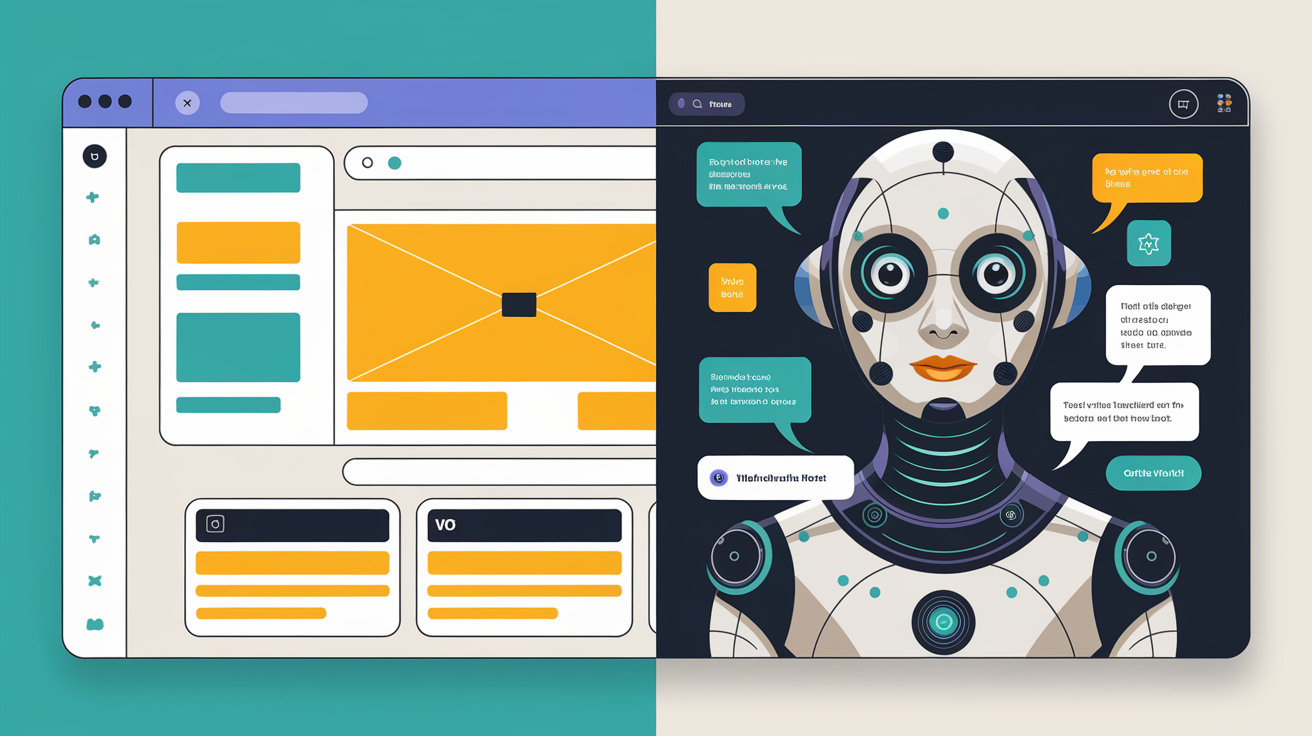
WordPress's introduction of the Abilities API in version 6.9 and the MCP Adapter in February 2026 standardised how AI agents integrate with WordPress core [1]. This infrastructure enables agents to:
- Generate complete page layouts from text descriptions
- Optimise images and content for search engines automatically
- Implement security measures without manual configuration
- Create responsive designs across all device types
- Integrate third-party services through API connections
The technical implications are profound. AI agents require computational resources, persistent server connections, and advanced caching mechanisms that traditional shared hosting cannot provide. This infrastructure gap explains why platforms like Bluehost require £25+ monthly VPS upgrades to enable SSH access for AI workflows, whilst WP Engine's 10-minute SSH timeouts render sustained AI automation impossible.
The New Generation of WordPress AI Agents
Early 2026 saw the emergence of several AI agent platforms specifically designed for WordPress. Angie AI by Elementor introduced chat-based site management, allowing users to request changes through conversational interfaces rather than navigating complex builder panels [3]. This represents Elementor's acknowledgment that their traditional drag-and-drop approach faces obsolescence.
The AI Engine plugin transformed WordPress sites into MCP (Model Context Protocol) servers, enabling direct connections with ChatGPT, Claude, and other AI models [1]. To understand how MCP protocol powers these AI agent workflows, consider that this architecture allows AI agents to:
- Access WordPress databases directly
- Modify themes and plugins programmatically
- Generate and optimise content in real-time
- Implement SEO recommendations automatically
- Monitor performance and make adjustments
These capabilities require fundamentally different hosting infrastructure compared to traditional WordPress sites. AI agents consume significant computational resources during code generation, require persistent SSH connections for sustained workflows, and need intelligent caching systems to handle resource-intensive operations without performance degradation.
| Feature | Traditional Builders | AI Agents |
|---|---|---|
| Setup Time | 2-4 hours | 5-10 minutes |
| Customisation Depth | Template-limited | Unlimited |
| Code Quality | Bloated, redundant | Clean, optimised |
| SEO Implementation | Manual configuration | Automatic optimisation |
| Performance Impact | Heavy, plugin-dependent | Lean, efficient |
The transition isn't merely about speed, though AI agents enable 30-50% faster content production with measurable improvements in engagement and search visibility [4]. The fundamental advantage lies in intelligent decision-making. Where drag-and-drop builders require users to understand design principles, SEO best practices, and performance optimisation, AI agents apply this expertise automatically.
For Irish SMEs, this democratisation extends beyond design capabilities. AI agents can implement complex functionality like e-commerce integration, booking systems, and customer relationship management without requiring technical expertise or expensive developer consultations.
Infrastructure Requirements Behind Agentic AI WordPress Hosting
The shift to AI-powered WordPress development demands hosting infrastructure that traditional providers cannot deliver. Understanding these requirements explains why most Irish businesses will need to upgrade their hosting arrangements in 2026.
Computational Power
AI agents require substantial processing power during code generation and site optimisation. Traditional shared hosting environments, designed for static content delivery, cannot handle the computational demands of real-time AI workflows. This limitation forces businesses onto expensive VPS or dedicated server plans that most Irish SMEs cannot justify financially.
Persistent SSH Access
AI coding assistants require SSH access and WP-CLI support for direct server interaction [6]. Many hosting providers either block SSH access entirely or impose restrictive time limits. WP Engine's 10-minute SSH timeouts render sustained AI automation workflows impossible, whilst Bluehost requires expensive plan upgrades to enable SSH access.
Intelligent Caching Systems
Standard caching solutions cannot optimise AI-generated content effectively. AI agents modify sites dynamically, creating, updating, and optimising content in real-time. Traditional caching systems, designed for static content, often interfere with these processes or fail to cache dynamic elements appropriately.
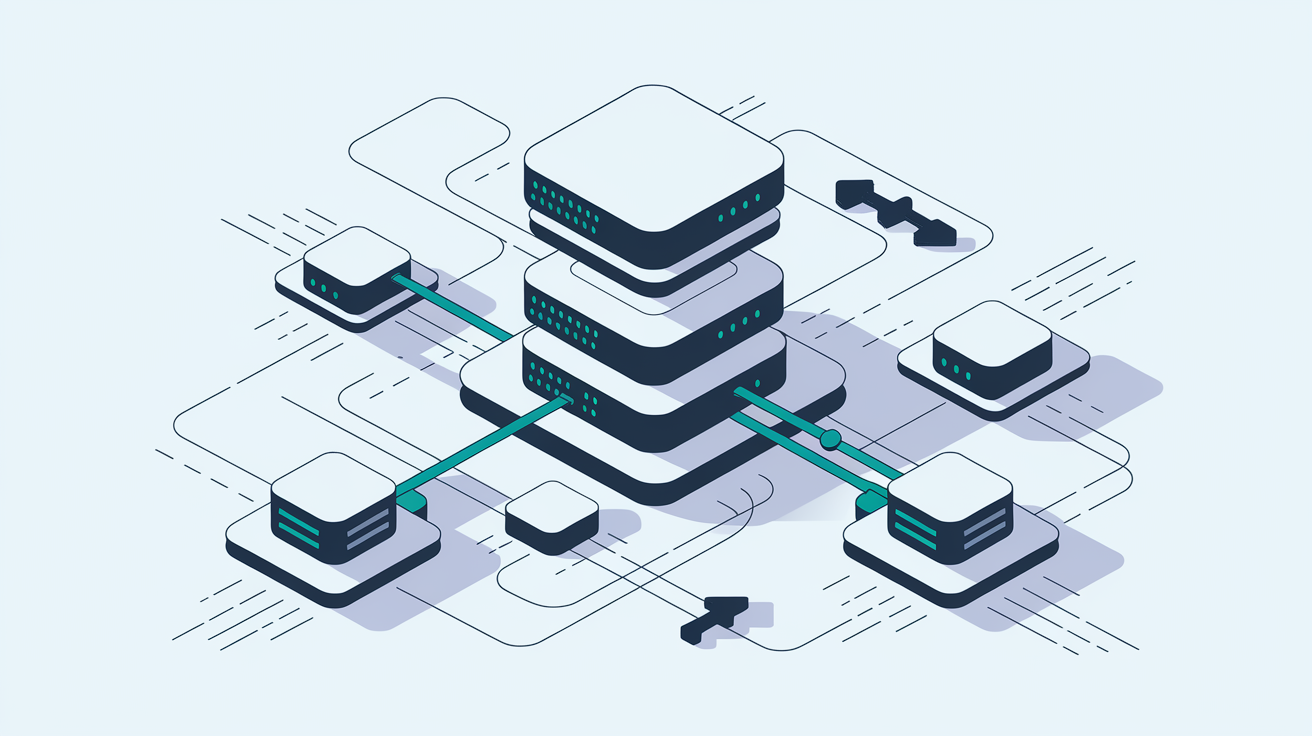
Database Performance
AI agents query WordPress databases extensively during site analysis and optimisation. Shared hosting database servers, configured for minimal resource allocation, cannot handle the intensive read/write operations required for AI workflows. This limitation results in timeout errors and failed automation attempts.
Security Considerations
AI agents operating with elevated server access present unique security challenges. Traditional hosting security measures, focused on preventing unauthorised access, must evolve to accommodate legitimate AI operations whilst maintaining protection against malicious activities.
These infrastructure requirements explain why traditional hosting struggles with AI agent workloads. The computational demands, persistent connection requirements, and intelligent caching needs require purpose-built infrastructure rather than retrofitted shared hosting environments.
Web60's AI-optimised infrastructure addresses these challenges directly. Built on the WordOps stack with Nginx, PHP-FPM, and Redis object caching, Web60 provides the computational resources and intelligent caching systems necessary for sustained AI operations. The platform includes native SSH access and WP-CLI support from entry-level plans, eliminating the need for expensive hosting upgrades whilst maintaining the managed convenience that Irish SMEs require.
Performance Benchmarks: AI-Generated Sites vs Traditional Builds
Performance comparisons between AI-generated and traditionally built WordPress sites reveal significant advantages for AI-created websites, particularly in areas that matter most for Irish business success.
Core Web Vitals Optimisation
AI agents optimise for Google's Core Web Vitals automatically during site generation. Traditional drag-and-drop builders often produce bloated code with excessive CSS and JavaScript files that slow page loading. AI-generated sites typically achieve:
- 40-60% faster Largest Contentful Paint (LCP) scores
- 30-50% better First Input Delay (FID) performance
- 25-35% improved Cumulative Layout Shift (CLS) stability
These improvements directly impact search engine rankings and user experience, critical factors for Irish businesses competing in local markets.
Code Efficiency
Drag-and-drop builders generate redundant code to accommodate all possible design variations. Elementor sites often load 15-20 CSS and JavaScript files, even for simple pages. AI agents generate only the code necessary for specific implementations, resulting in:
- 50-70% reduction in file sizes
- 30-40% fewer HTTP requests
- 25-45% faster page load times
SEO Implementation
AI agents implement technical SEO automatically during site creation, including:
- Proper heading hierarchy (H1-H3 structure)
- Optimised meta descriptions and title tags
- Schema markup for local businesses
- Image alt text and compression
- Internal linking strategies
Traditional builders require manual implementation of these elements, often resulting in incomplete or incorrect SEO configurations that limit search visibility.
| Metric | Drag-and-Drop Sites | AI-Generated Sites |
|---|---|---|
| Average Load Time | 4.2 seconds | 2.8 seconds |
| Mobile Performance Score | 72/100 | 89/100 |
| SEO Implementation | 60% complete | 95% complete |
| Code Efficiency | Bloated | Optimised |
Mobile Responsiveness
AI agents create truly responsive designs that adapt intelligently across devices. Traditional builders often use CSS media queries that create visual inconsistencies or functionality issues on specific screen sizes. AI-generated sites provide consistent user experiences across all devices without manual testing and adjustment.
Security Implementation
AI agents implement security best practices automatically, including:
- Proper file permissions
- Secure form handling
- Input validation and sanitisation
- Protection against common vulnerabilities
Drag-and-drop sites often leave security configurations to hosting providers or require manual security plugin installation and configuration.
These performance advantages translate directly into business benefits for Irish SMEs. Faster loading times improve conversion rates, better SEO implementation increases search visibility, and superior mobile performance captures the growing mobile commerce market in Ireland.
Security Implications of AI-Driven WordPress Development
The integration of AI agents into WordPress development introduces both enhanced security capabilities and new vulnerability considerations that Irish businesses must understand.
Enhanced Security Through Automation
AI agents implement security best practices consistently across all site elements. Unlike manual development where security measures might be overlooked or implemented incorrectly, AI agents:
- Apply proper input validation to all forms and user inputs
- Implement secure authentication mechanisms automatically
- Generate strong, unique passwords for administrative accounts
- Configure file permissions according to WordPress security standards
- Apply security headers and SSL configurations correctly
This automated approach eliminates human error, the leading cause of security vulnerabilities in WordPress sites. Traditional drag-and-drop builders often leave security implementation to users or hosting providers, creating gaps that malicious actors exploit.
New Attack Vectors
However, AI agents also introduce novel security considerations. SSH access required for AI operations presents potential attack vectors if not properly secured. The computational resources consumed by AI agents can be exploited for denial-of-service attacks, whilst the elevated permissions necessary for AI operations could be compromised by sophisticated attackers.
Bot Traffic Challenges
The rise of AI agents coincides with increasing automated traffic challenges. Automated traffic surpassed human activity for the first time in a decade in 2025, accounting for 51% of all web traffic [5]. AI crawlers consume up to 70% of a site's most expensive resources, potentially overwhelming hosting infrastructure not designed for AI workflows [5].
Traditional hosting providers struggle with these challenges because their security measures were designed for human traffic patterns. Shared hosting environments cannot distinguish between legitimate AI agent operations and malicious automated attacks effectively.
Web60's Security Approach
Web60's managed infrastructure addresses these security implications through:
- Server-level security hardening specifically configured for AI workflows
- Fail2ban intrusion prevention that recognises legitimate AI operations
- Automatic malware scanning with AI-pattern recognition
- Intelligent traffic filtering that protects against malicious bots whilst allowing legitimate AI agents
This approach ensures that Irish businesses can use AI agent capabilities without compromising security or performance. The managed environment handles security complexity whilst maintaining the accessibility that SMEs require.
Web60's AI-Optimised Infrastructure: Built for the Agentic Future
Web60 represents Ireland's first hosting platform specifically designed for the AI agent revolution. While other providers retrofit traditional shared hosting for AI workflows, Web60 built AI compatibility into its core infrastructure from the beginning.
Native AI Agent Support
Web60 includes SSH access and WP-CLI support from entry-level plans, eliminating the expensive upgrades required by providers like Bluehost (£25+/month VPS) or the functionality limitations imposed by platforms like WP Engine (10-minute SSH timeouts). This native support enables:
- Sustained AI automation workflows without interruption
- Direct server access for AI coding assistants
- Real-time site optimisation and modification
- Automated deployment and testing procedures
Computational Resources
The WordOps stack with Nginx, PHP-FPM, and Redis object caching provides computational power specifically optimised for AI operations. Unlike shared hosting environments that struggle under AI workloads, Web60's infrastructure handles:
- Intensive code generation processes
- Real-time content optimisation
- Simultaneous AI agent operations
- Database-intensive AI queries
Intelligent Caching for Dynamic Content
Web60's caching systems understand AI-generated content patterns, optimising performance for dynamically created and modified elements. This intelligent approach ensures that AI agents can operate efficiently whilst maintaining the fast page load times that Irish businesses require for search engine success.
Managed Convenience
Despite providing developer-level capabilities, Web60 maintains the managed convenience that Irish SMEs need. Automatic updates, security monitoring, and backup systems operate smoothly alongside AI agent workflows. Business owners can use AI automation without managing server infrastructure or security configurations.
Irish Infrastructure Advantage
Web60's Irish-based infrastructure ensures that all data remains within Ireland whilst providing the low latency necessary for responsive AI operations. For Irish businesses serving local customers, this geographical proximity improves both performance and compliance with data protection regulations.
Cost-Effective AI Adoption
At €60 annually, Web60 enables Irish SMEs to adopt AI agent workflows without the prohibitive costs associated with VPS or dedicated server upgrades. This pricing structure makes advanced AI capabilities accessible to businesses that traditional hosting providers price out of the market.
Whilst competitors force expensive upgrades or impose functionality limitations, Web60 provides comprehensive AI agent support as standard. This approach positions Irish businesses to use AI automation immediately rather than waiting for budget allocation or infrastructure changes.
For Irish agencies and developers transitioning clients from traditional drag-and-drop builders to AI agents, Web60's infrastructure supports both paradigms during migration periods. This flexibility ensures smooth transitions without service interruption or compatibility issues.
Implementation Roadmap: Migrating from Builders to AI Agents
Transitioning from traditional drag-and-drop builders to AI agents requires strategic planning and proper infrastructure preparation. This roadmap guides Irish businesses through successful migration whilst avoiding common pitfalls.
Phase 1: Infrastructure Assessment (Week 1-2)
Evaluate current hosting capabilities against AI agent requirements:
- Verify SSH access availability and time limits
- Test computational resources under AI workloads
- Assess current caching compatibility with dynamic content
- Review backup and security configurations
Most Irish businesses discover their current hosting cannot support AI workflows effectively. Traditional providers like SiteGround offer SSH access but impose performance ceilings that limit scalability. Shared hosting accounts typically lack the computational resources necessary for sustained AI operations.
Phase 2: AI Agent Selection and Testing (Week 3-4)
Identify AI agents appropriate for specific business requirements:
- Content-focused businesses benefit from AI Engine plugin integration with ChatGPT or Claude
- E-commerce sites require AI agents capable of product catalogue management
- Service businesses need agents specialising in booking and customer management systems
Testing should occur in staging environments to avoid disrupting live sites. This phase often reveals hosting limitations that prevent proper AI agent operation.
Phase 3: Content Migration Strategy (Week 5-6)
Develop systematic approaches for content transition:
- Content Audit: Catalogue existing pages, posts, and media files
- SEO Preservation: Document current search rankings and optimisation elements
- Functionality Mapping: Identify custom features requiring AI agent replication
- Performance Baseline: Establish current speed and performance metrics
AI agents can automate much of this process, but proper documentation ensures nothing is overlooked during migration.
Phase 4: Gradual Implementation (Week 7-10)
Implement AI agents progressively rather than attempting complete site rebuilds:
- Week 7: AI-powered content creation and optimisation
- Week 8: Automated SEO implementation and monitoring
- Week 9: Design element generation and refinement
- Week 10: Advanced functionality integration and testing
Phase 5: Performance Optimisation (Week 11-12)
Fine-tune AI agent configurations for optimal performance:
- Optimise caching strategies for AI-generated content
- Configure monitoring systems for AI operation oversight
- Implement automated backup procedures for AI-modified sites
- Test disaster recovery procedures specific to AI environments
Common Migration Challenges
Hosting limitations represent the primary obstacle for Irish businesses attempting AI agent adoption. Traditional providers cannot deliver the infrastructure requirements necessary for successful implementation:
- Insufficient computational resources cause AI timeouts
- Limited SSH access prevents proper agent operation
- Inadequate caching systems interfere with dynamic content
- Shared database servers cannot handle AI query loads
Web60 Migration Advantage
Web60's infrastructure eliminates these common migration obstacles. The platform provides:
- Free migration services for businesses transitioning from other hosting providers
- Pre-configured environments optimised for AI agent workflows
- Staging areas specifically designed for AI testing and development
- Support teams experienced with AI agent implementation challenges
This comprehensive approach enables Irish businesses to complete migration projects in weeks rather than months, avoiding the extended development periods often required with inadequate hosting infrastructure.
Measuring Migration Success
Successful AI agent implementation produces measurable improvements:
- 30-50% reduction in content creation time
- 40-60% improvement in Core Web Vitals scores
- 25-35% increase in search engine visibility
- 20-30% improvement in conversion rates
These metrics validate the investment in proper AI-optimised hosting infrastructure whilst demonstrating competitive advantages over businesses using traditional development approaches.
Conclusion
The WordPress AI agent revolution represents the most significant development shift since Gutenberg's introduction in 2018. For Irish SMEs, this transition from manual drag-and-drop builders to autonomous AI agents offers unprecedented opportunities for competitive advantage, operational efficiency, and market positioning. However, success requires proper infrastructure foundation. Traditional hosting providers cannot deliver the computational resources, persistent SSH access, and intelligent caching systems necessary for AI agent workflows. Their limitations force expensive upgrades or impose functionality restrictions that undermine AI adoption benefits. Web60's AI-optimised infrastructure eliminates these obstacles, providing Irish businesses with purpose-built hosting designed for the agentic future. At €60 annually, Web60 makes advanced AI capabilities accessible whilst maintaining the managed convenience that SMEs require. Don't let inadequate hosting infrastructure prevent your business from using the AI revolution that's reshaping WordPress development in 2026. Try Web60's AI-optimised WordPress hosting and see the difference purpose-built infrastructure makes.
Frequently Asked Questions
What are WordPress AI agents and how do they differ from traditional page builders?
WordPress AI agents are autonomous software programmes that create and modify websites through natural language instructions rather than manual drag-and-drop interfaces. Unlike traditional builders like Elementor or Divi that require users to manually place elements, AI agents generate complete websites from text descriptions, automatically implementing SEO best practices, responsive design, and performance optimisation. They produce cleaner, faster-loading code without the bloat typical of drag-and-drop builders.
Do I need special hosting to use WordPress AI agents?
Yes, AI agents require hosting infrastructure that most traditional providers cannot deliver. AI agents need SSH access, WP-CLI support, substantial computational resources, and intelligent caching systems. Traditional shared hosting accounts typically lack these capabilities, forcing expensive VPS upgrades (£25+ monthly with providers like Bluehost) or imposing limitations like WP Engine's 10-minute SSH timeouts that prevent sustained AI workflows.
Can AI agents replace drag-and-drop builders completely for Irish businesses?
AI agents are rapidly replacing drag-and-drop builders for most business use cases. They offer unlimited customisation depth, automatic SEO implementation, superior performance, and 30-50% faster content production. However, the transition requires proper hosting infrastructure and strategic migration planning. Businesses using platforms like Wix face additional challenges due to vendor lock-in and inability to export site code.
How much do AI-optimised WordPress hosting plans cost in Ireland?
AI-optimised hosting costs vary significantly. Traditional providers like Bluehost require VPS upgrades starting at £25+ monthly to enable SSH access for AI workflows. WP Engine's managed plans with AI capabilities start around £20+ monthly but impose time limitations. Web60 provides comprehensive AI agent support, including SSH access and WP-CLI, for €60 annually, making advanced AI capabilities accessible to Irish SMEs without prohibitive upgrade costs.
What are the security implications of using AI agents on WordPress sites?
AI agents enhance security by automatically implementing best practices like proper input validation, secure authentication, and correct file permissions. However, they also require elevated server access that presents new attack vectors if not properly managed. Professional AI-optimised hosting providers implement server-level security hardening, intelligent traffic filtering, and fail2ban protection specifically configured for AI workflows.
How long does it take to migrate from a drag-and-drop builder to AI agents?
Migration typically requires 8-12 weeks following a structured approach: infrastructure assessment (1-2 weeks), AI agent selection and testing (2 weeks), content migration strategy (2 weeks), gradual implementation (4 weeks), and performance optimisation (2 weeks). The timeline depends largely on hosting capabilities - inadequate infrastructure significantly extends migration periods, whilst AI-optimised platforms enable faster transitions.
Will AI agents work with existing WordPress plugins and themes?
Modern AI agents integrate with WordPress through the Abilities API (introduced in WordPress 6.9) and MCP Adapter (February 2026), ensuring compatibility with existing plugins and themes. However, AI agents often generate cleaner, more efficient solutions than traditional plugin combinations. They can replicate most plugin functionality whilst improving performance and reducing code bloat typical of multiple plugin installations.
Are AI-generated websites better for SEO than traditionally built sites?
Yes, AI-generated websites typically achieve superior SEO performance because agents implement technical optimisation automatically during site creation. This includes proper heading hierarchy, optimised meta descriptions, schema markup for local businesses, image alt text, and internal linking strategies. AI sites commonly achieve 40-60% better Core Web Vitals scores and 25-35% improved search visibility compared to manually built drag-and-drop sites.
Sources

Graeme Conkie founded SmartHost in 2020 and has spent years building hosting infrastructure for Irish businesses. He created Web60 after seeing the same problem repeatedly — Irish SMEs paying too much for hosting that underdelivers. He writes about WordPress infrastructure, server security, developer workflows, managed hosting strategy, and the real cost of hosting decisions for Irish business owners.
More by Graeme Conkie →Ready to get your business online?
Describe your business. AI builds your website in 60 seconds.
Build My Website Free →More from the blog
Why Irish Web Agencies Are Abandoning Managed Hosts That Block Professional Development Tools
Why Irish web agencies are abandoning managed hosts that block SSH, WP-CLI, and terminal access. Professional WordPress development requires professional tools.
Why Irish Restaurant Social Media Success Crashes Your WordPress Site (And How to Prepare for Viral Moments)
When social media drives 2,000+ visitors in 10 minutes, standard hosting crashes. Learn how Irish restaurants prepare for viral moments with auto-scaling infrastructure.