
Irish SME
Most Irish Businesses Have a Google Business Profile. Barely Any Use It Properly.
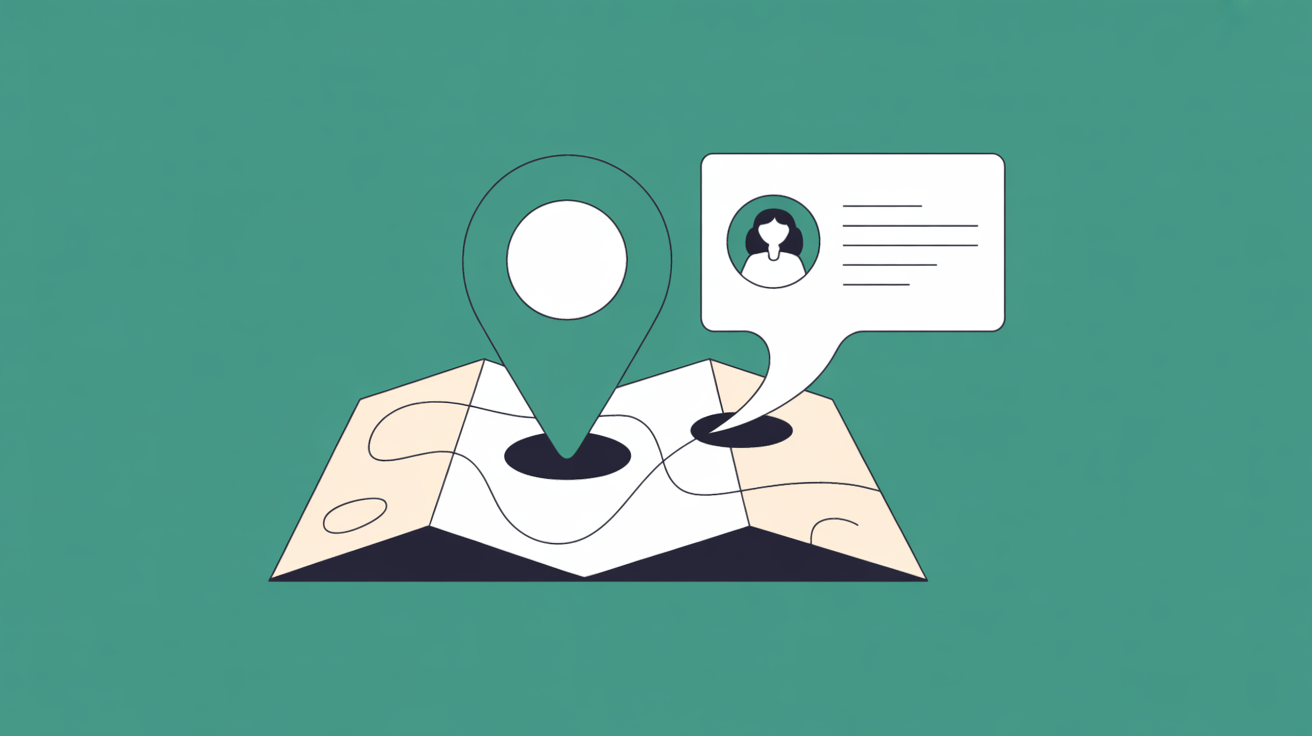
Most Irish businesses have claimed their Google Business Profile. Almost none of them are actually using it.
That is not a guess. It is something I hear every week in conversations with business owners who set up their listing two or three years ago, added a phone number, maybe uploaded a logo, and moved on. The profile sits there, half-finished, while the people searching for exactly what that business sells never see it.
Here is why that matters more in 2026 than it ever has.
The Half-Finished Profile Problem
A Google spokesperson confirmed several years ago that roughly 46% of all searches on the platform carry local intent [1]. Think about that. Nearly half the searches happening right now, while you read this, are people looking for something nearby. A restaurant. A plumber. A solicitor. A place to get a haircut.
Your Google Business Profile is what shows up when they search. Or, more accurately, it is what should show up. Industry benchmarks from BirdEye and WebFX suggest that fully completed profiles generate somewhere around five to seven times more clicks than incomplete ones, though the exact multiplier varies by sector and location [2]. The precise number matters less than the principle: a profile with a name, phone number, and nothing else is functionally invisible.
We see this pattern regularly. Consider a cafe owner on the Galway Quays, open eight years, better reviews than the competition, more loyal customers. But her Google Business Profile has three photos from 2021, no website link, and business hours that still show pandemic-era times. The newer place across the road? Updated their profile the previous week. Guess who appears first in Google Maps.
Google does not care how long you have been in business. It cares how alive your profile looks right now.
Google Changed the Rules This Year
In 2026, Google adjusted its local search algorithm to weight what it calls "popularity signals" more heavily than brand prominence [3]. In practical terms: the number of interactions your profile receives (photo views, review reads, Q&A clicks, website visits) now plays a bigger role in whether you appear in the local three-pack.
The local three-pack is the box of three businesses at the top of Google when someone searches for a local service. According to multiple industry studies, those three slots capture somewhere between 40% and 50% of all clicks on local search results [4]. If you are not in that box, you are fighting for what is left.
What this means for a business owner: posting a photo once a year and hoping for the best is no longer a strategy. Google wants to see that your profile is active, that customers are engaging with it, and that it points to a real, functioning website.
Your Website Is the Engine Behind Your Profile
Here is where most business owners get the relationship backwards. They think the Google Business Profile is the thing that gets them found, and the website is just a nice extra. It is the other way around.
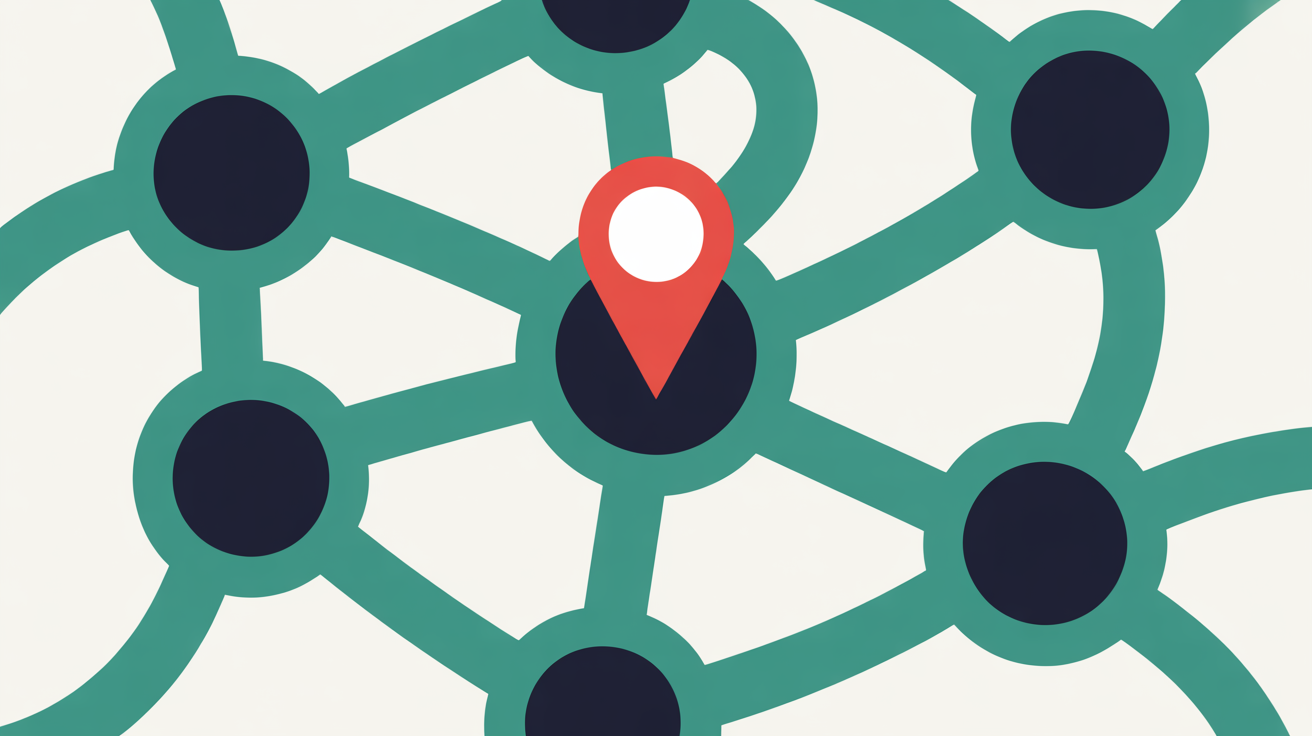
Your profile is the shopfront. Your website is the shop. Google uses your website to understand what your business actually does, what services you offer, what locations you serve, and whether you are a credible, trustworthy operation. Without a fast, well-structured site behind your profile, Google has very little reason to show you ahead of a competitor whose listing connects to a proper WordPress site with real content. What Google actually looks for in that content, the experience and expertise signals it calls E-E-A-T, comes from your website, not your listing.
I will be honest about a mistake I made early in my sales career. I told a client that their website mattered less than their social media presence. They focused on Instagram for six months. Their Google visibility dropped. Their foot traffic dropped with it. When we finally sorted their website and connected it properly to their profile, the calls started coming back within weeks. Not overnight, but noticeably. That experience taught me something I now tell every business owner: your Facebook page is not a business website, and neither is your Google listing on its own.
The good news is that a proper website does not cost what it used to. AI website builders can produce a professional WordPress site in under a minute, and platforms like Web60 include everything for EUR60 a year: hosting, SSL, backups, analytics, the lot. Your Google Business Profile finally has something worth pointing to.
The Businesses That Get Found
The businesses winning at local search are not doing anything exotic. They are doing the basics properly.
They keep their profile complete and current: hours, services, photos refreshed at least monthly. They respond to reviews with actual replies, not templates. They link their profile to a fast website built on WordPress, which gives Google structured content to crawl and index. And they treat their online presence as a system where the profile and the website feed each other, not as two separate things they set up once and forgot about.
One honest caveat, though. If you are a sole trader, a mobile dog groomer or a freelance electrician operating in one area, a well-maintained Google Business Profile with strong reviews can genuinely bring in steady work without a full website. For that specific type of business, the profile alone can be enough. But the moment you offer more than one service, serve more than one area, or want customers to book, browse, or buy before they pick up the phone, you hit a ceiling that only a proper website removes.
The alternative reality is not pleasant. Picture someone searching "accountant near me" at 9pm on a Sunday in April, the week before tax returns are due. They find three firms in the local pack. Two link to fast, professional websites with clear service pages. One links to a Facebook page with a cover photo from 2019. Which one gets the enquiry?
One Thing to Know Before You Start
Profile changes do not show up in search rankings overnight. Google re-evaluates local rankings gradually, and it can take anywhere from a few days to a couple of weeks before an updated profile starts climbing. That is the reality of the system. Do not expect the phone to ring the morning after you upload new photos. But do not let that delay be an excuse to put it off either. Every week you leave your profile incomplete is a week your competitor's updated listing sits above yours.
Conclusion
Local search is not a channel you opt into. It is happening whether your business participates or not. Nearly half of every Google search is someone looking for something nearby, and the businesses that show up are the ones that treat their profile and their website as two parts of the same system. The profile gets you seen. The website gets you chosen. One without the other leaves money on the table. In a market where your competitor is one updated photo and one properly built website away from outranking you, the cost of leaving your profile half-finished is measured in the customers you never knew you lost.
Sources

Eamon leads sales at Web60 and SmartHost, working directly with Irish business owners making the switch from cheap shared hosting to managed WordPress. With a background in enterprise technology sales — including Oracle and multiple Irish SaaS businesses — he understands the questions Irish SMEs ask before committing to a hosting platform. He writes about hosting comparisons, total cost of ownership, web design for Irish businesses, and how to evaluate what you’re actually buying.
More by Eamon Rheinisch →Ready to get your business online?
Describe your business. AI builds your website in 60 seconds.
Build My Website Free →More from the blog
Christmas Delivery Dates on Your Website: Whose Problem Is a Late Parcel?
Your Christmas delivery dates are a promise under Irish law, not a courier's estimate. What happens when a gift arrives late, and how to word cut-off dates.
Used ChatGPT to Write Your Website Privacy Policy and Terms? Read Them Again
Used ChatGPT to write your website privacy policy or terms? Find the US clauses, missing Irish rights and unfair terms to fix before a customer reads them.